L'Atalante, Regia Jean Vigo, 1934
Do you remember Père Jules' room from L’Atalante? What a mess! It was full of all kinds of mysterious stuff, like seashells, puppets, screeching cats, and the preserved hand of Père Jules' friend.
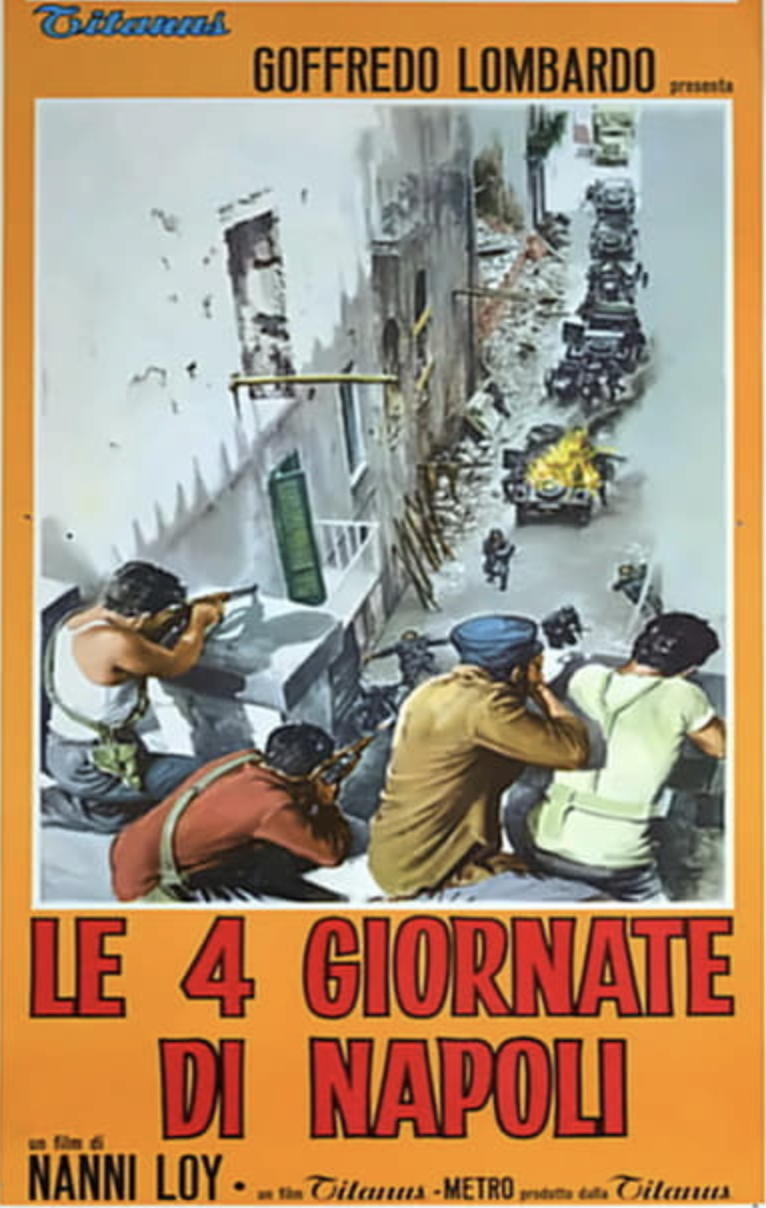
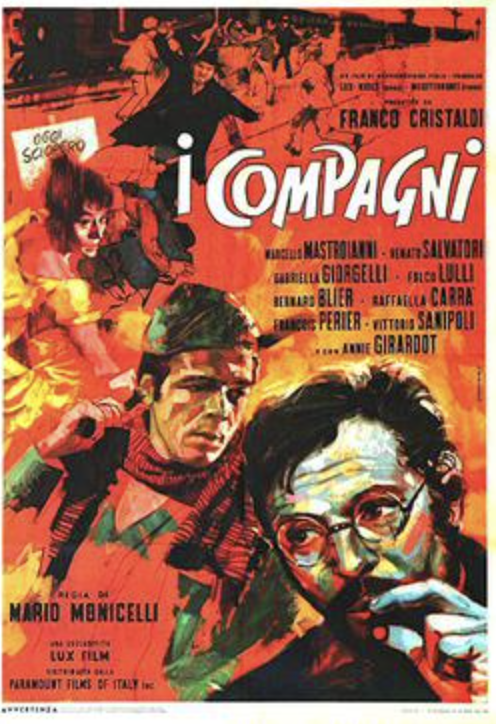
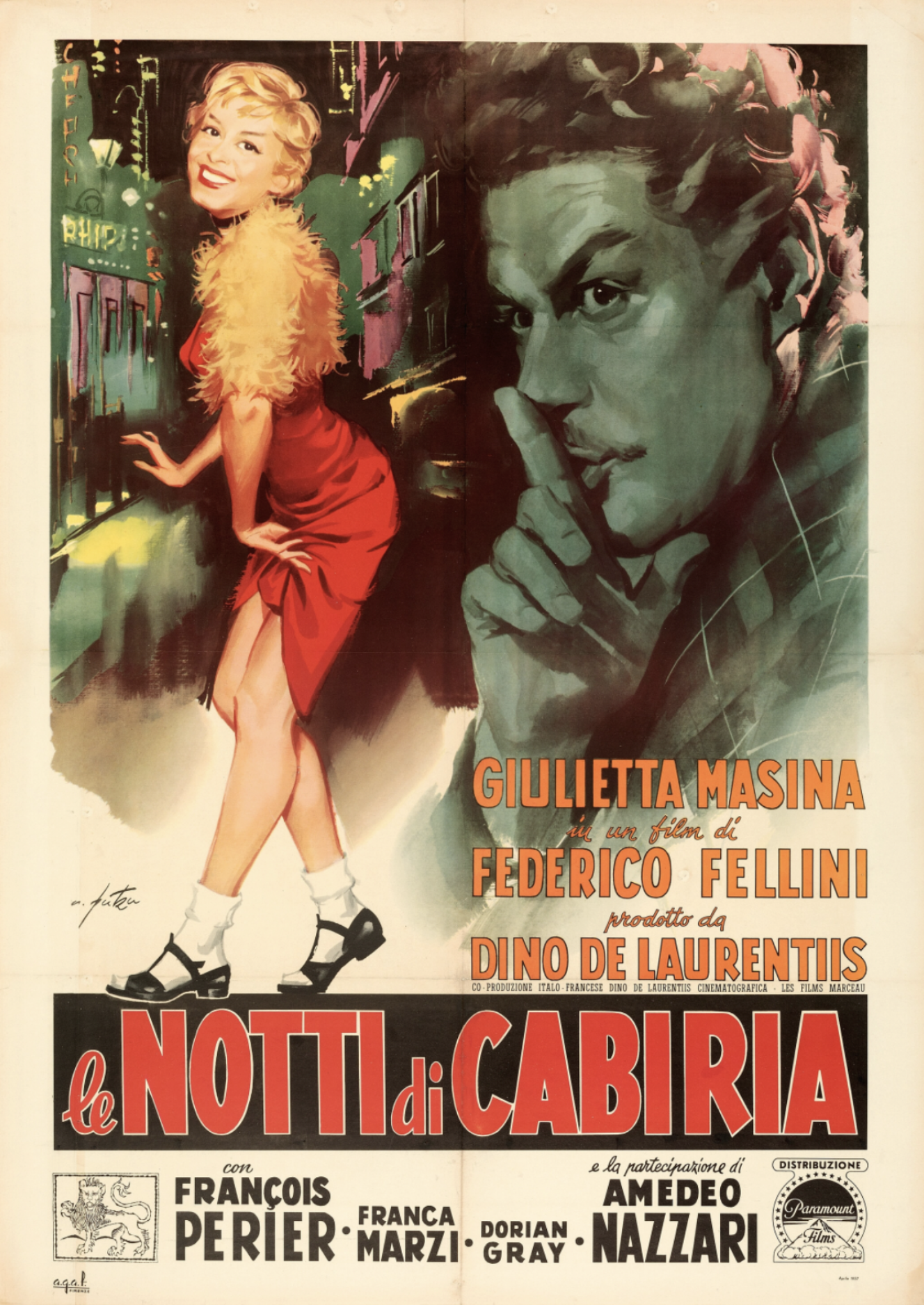
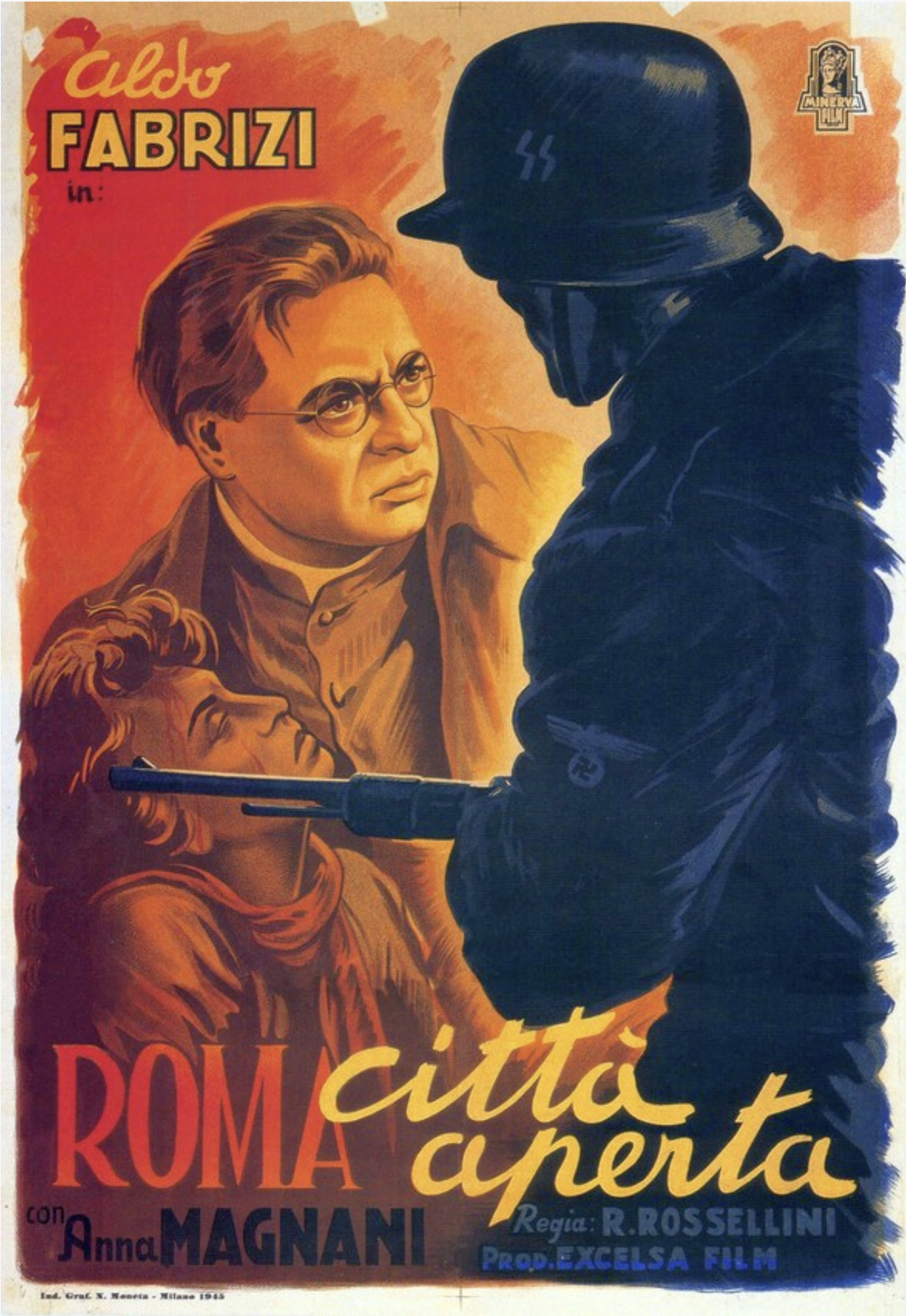
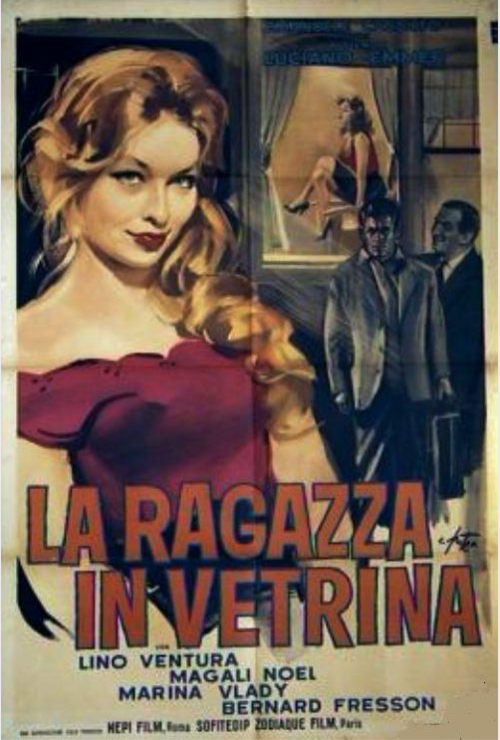
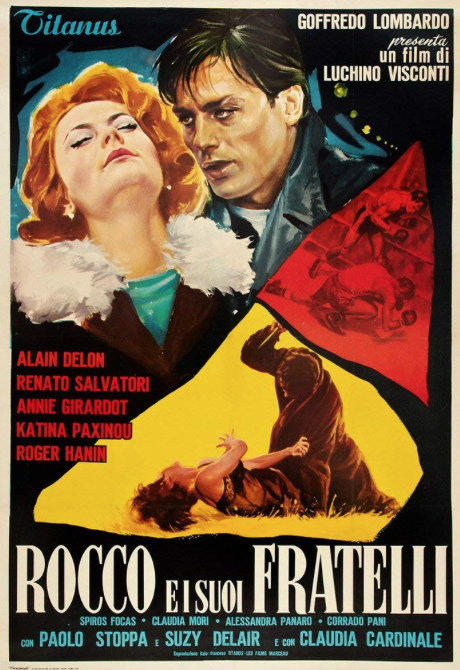
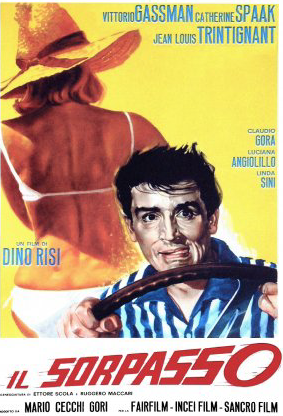
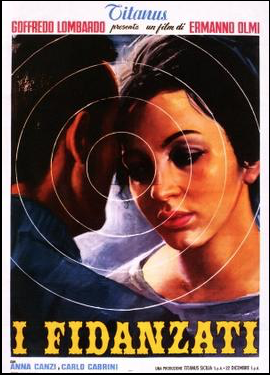
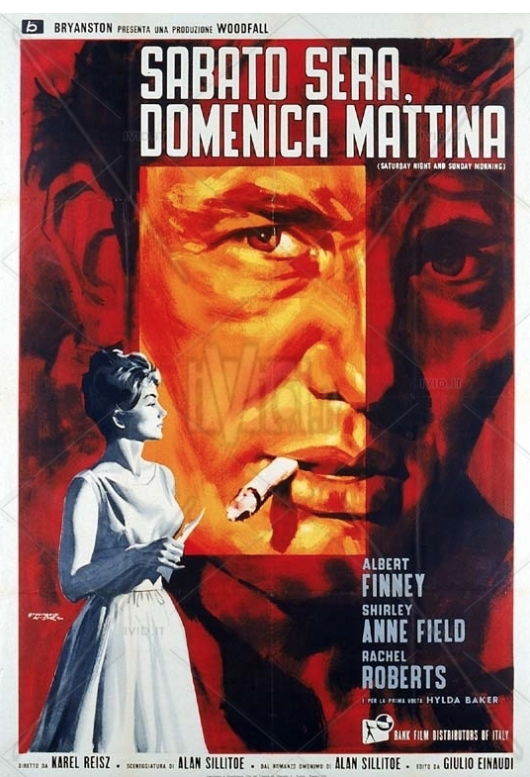
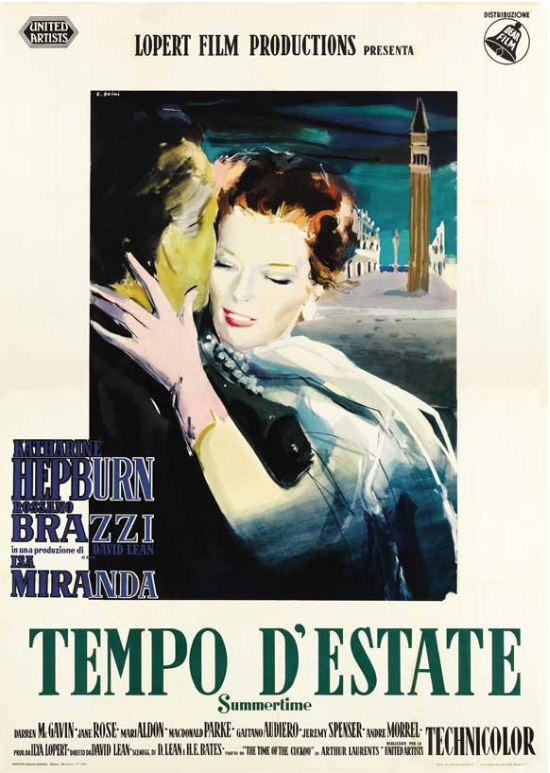
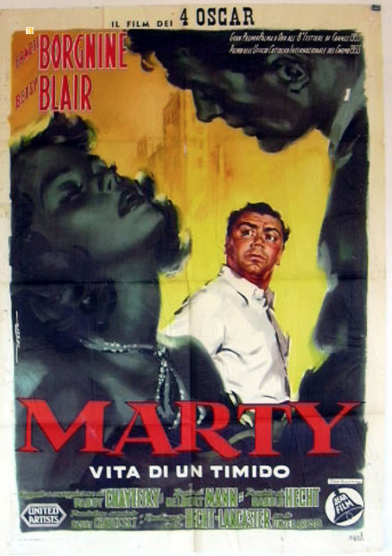
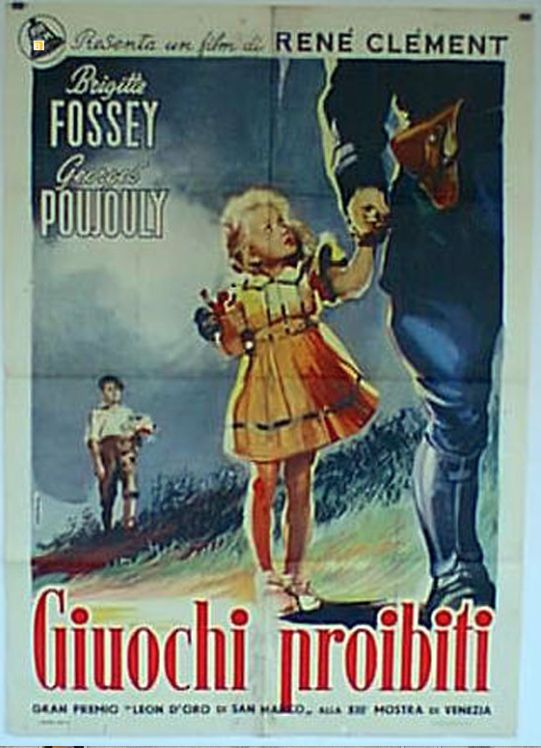
This is where we keep some random posts. Here you can see the Italian posters for the films we've discussed. There is an Italian gesture exercise with gifs from Risate di Gioia, and links to some articles we’ve written, including a list of cinema terminology in Italian and English.
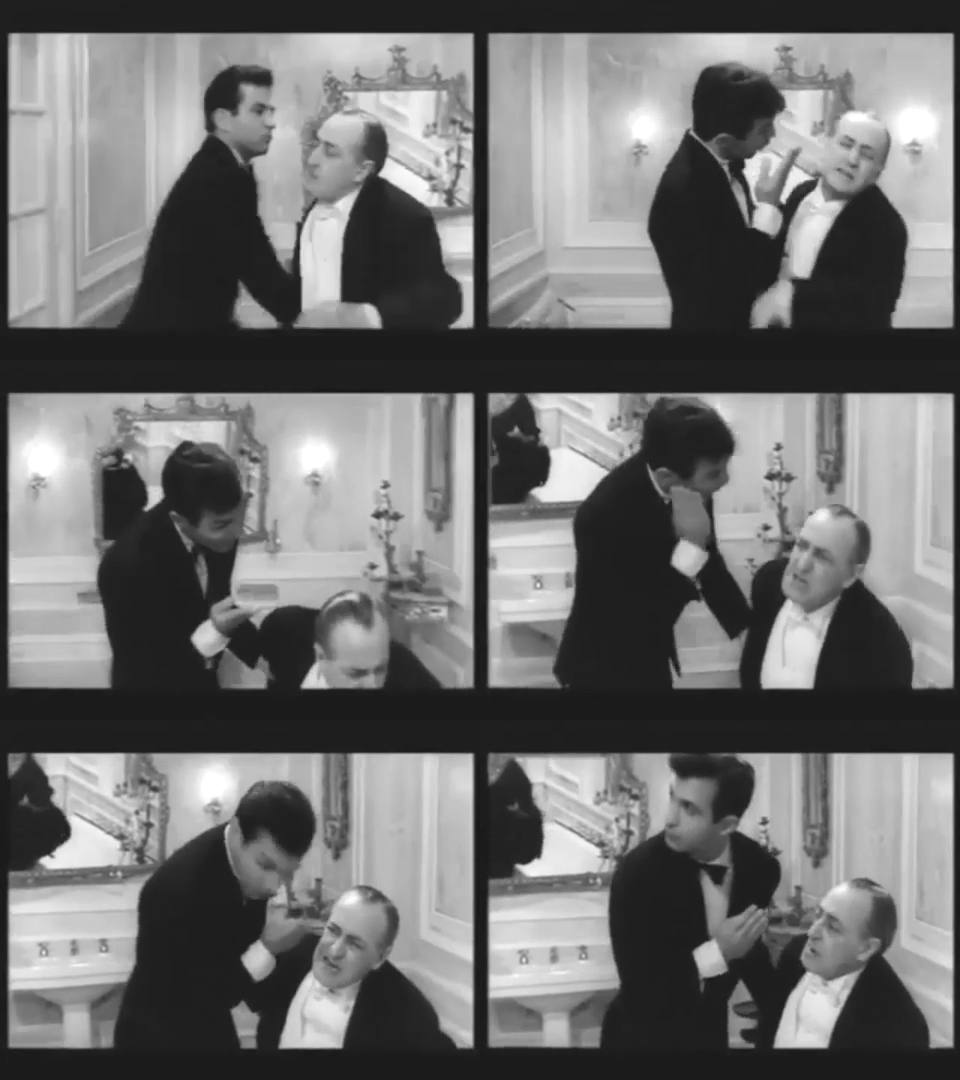
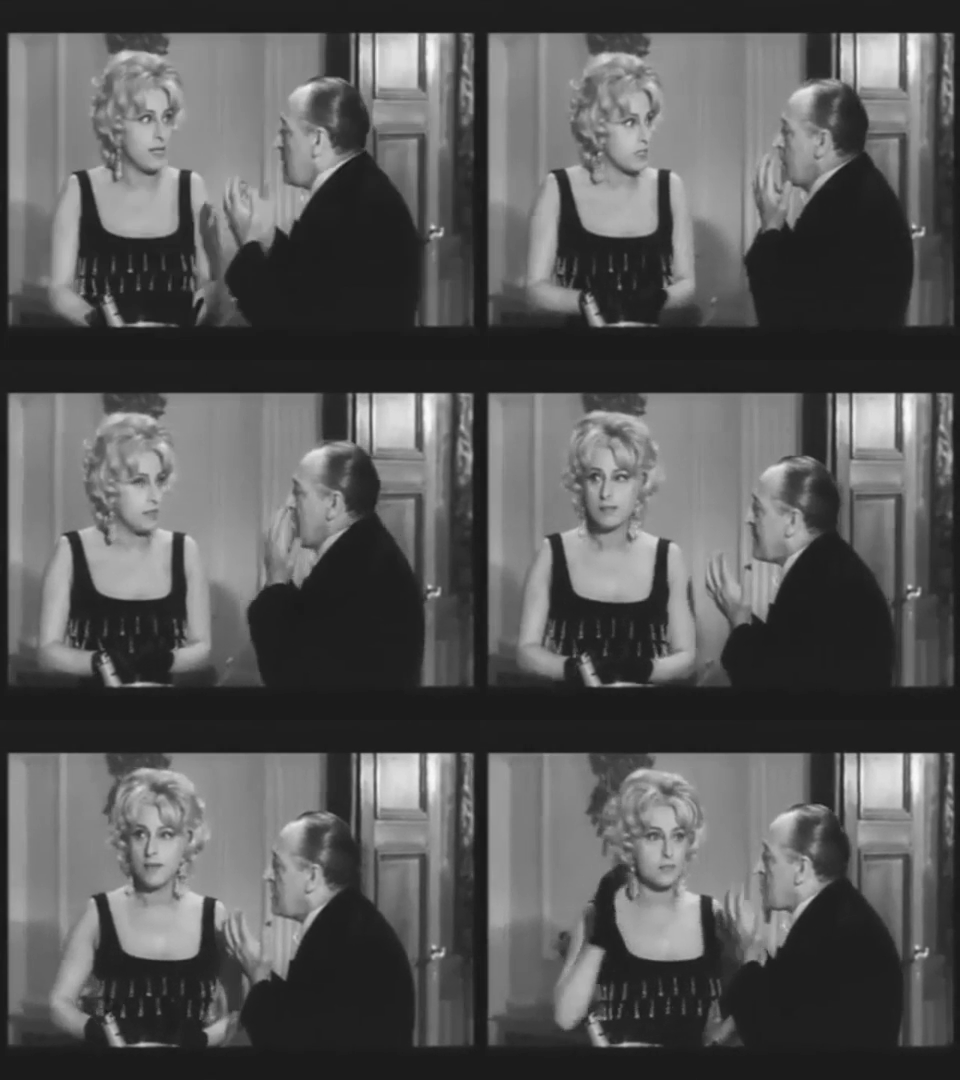
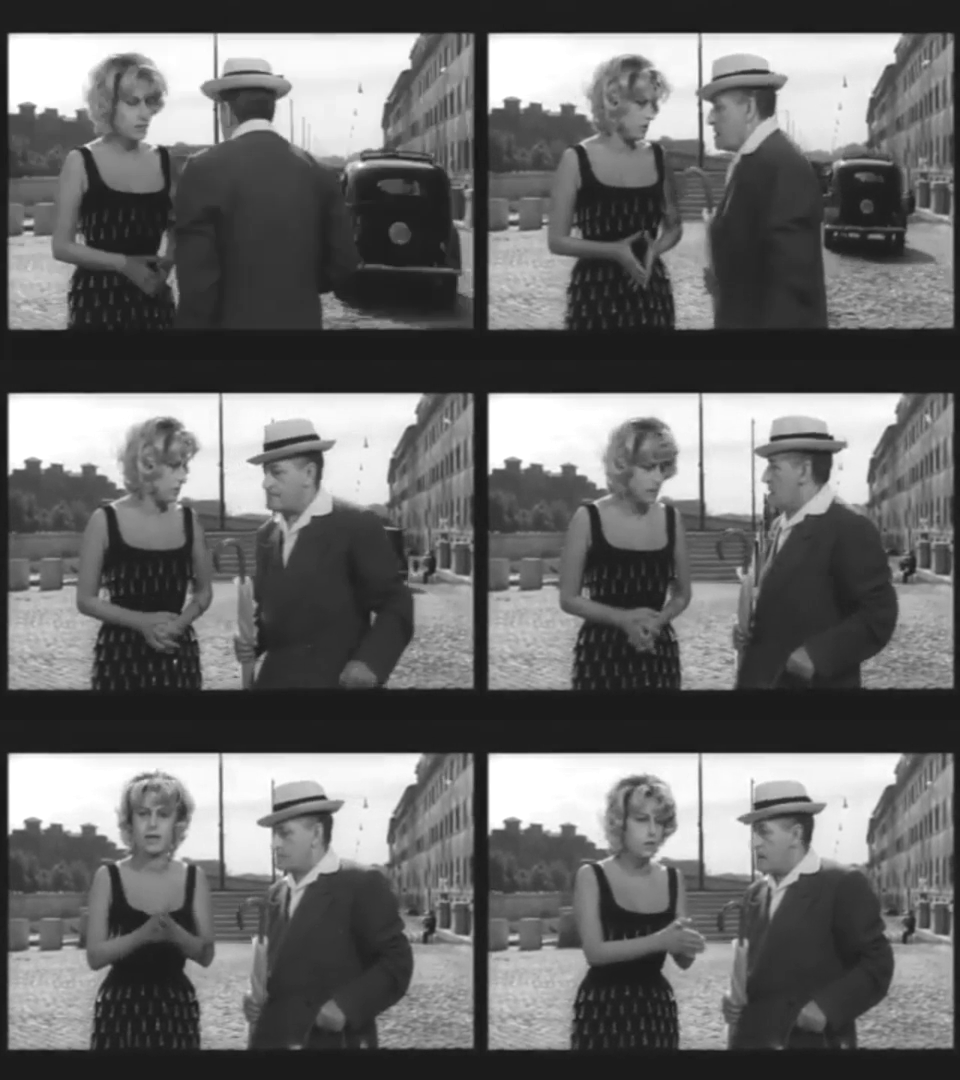
Risate di Gioia / The Passionate Thief (Mario Monicelli, 1960)
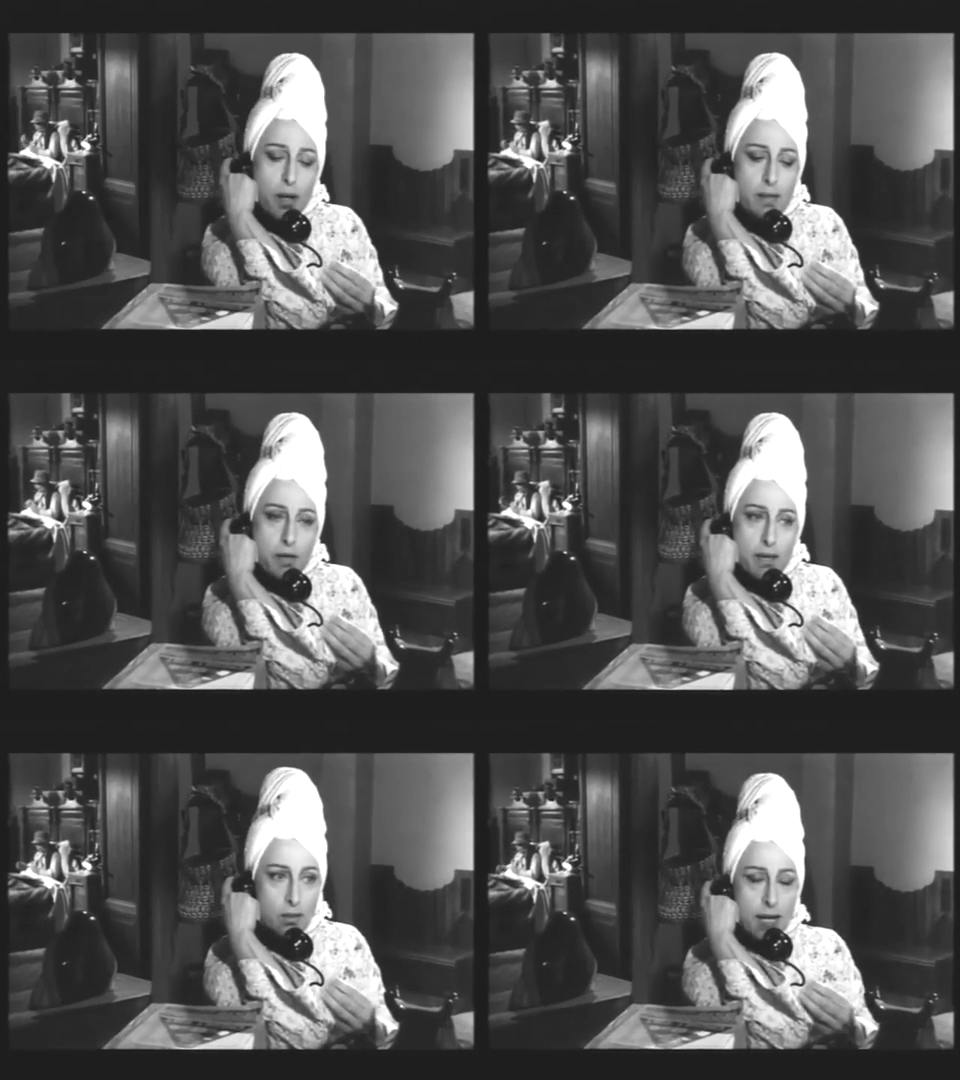
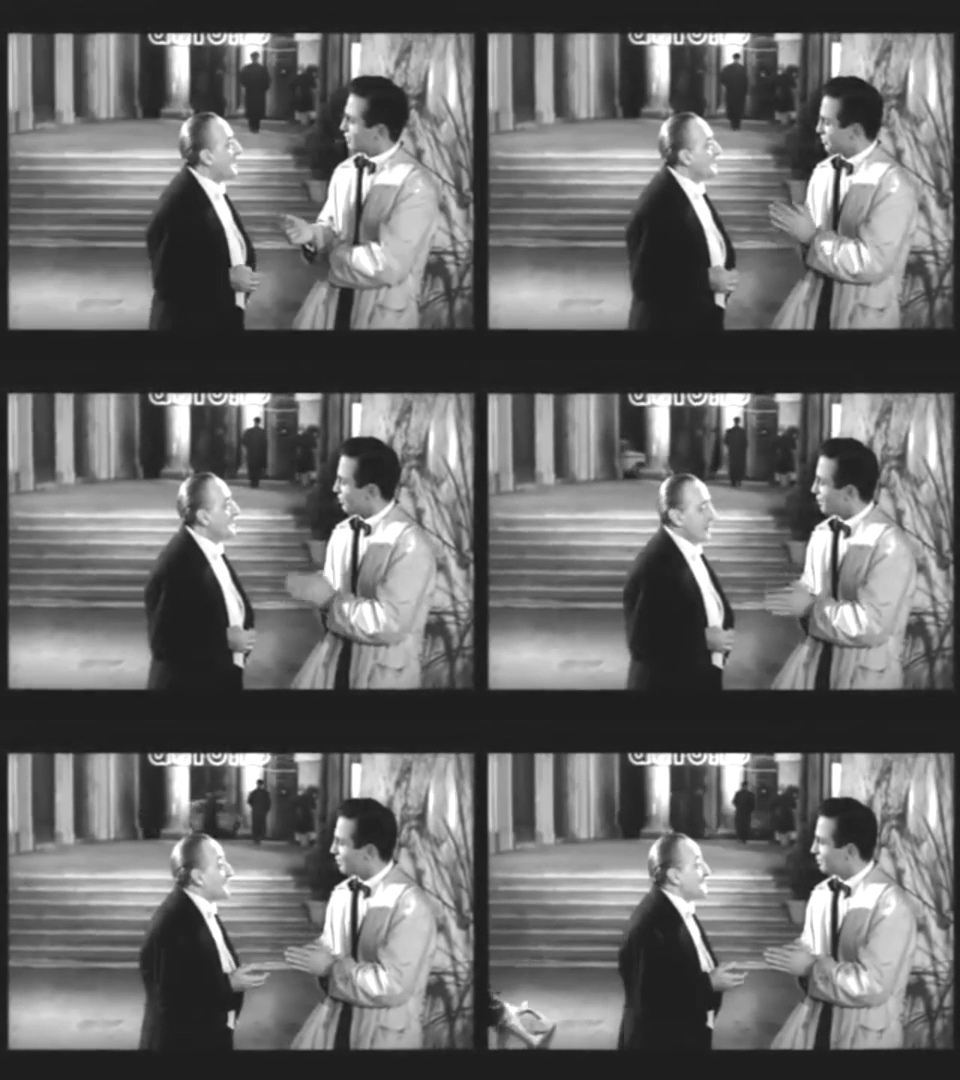
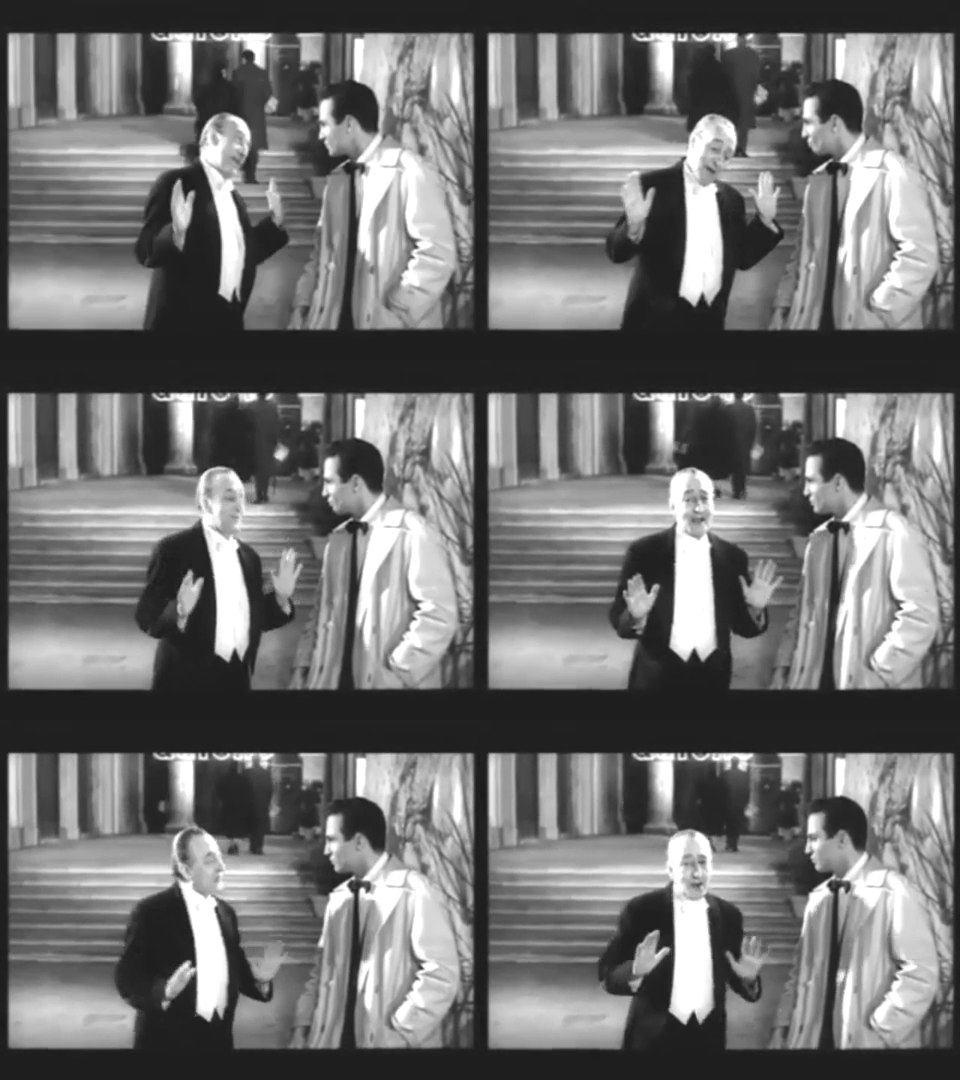
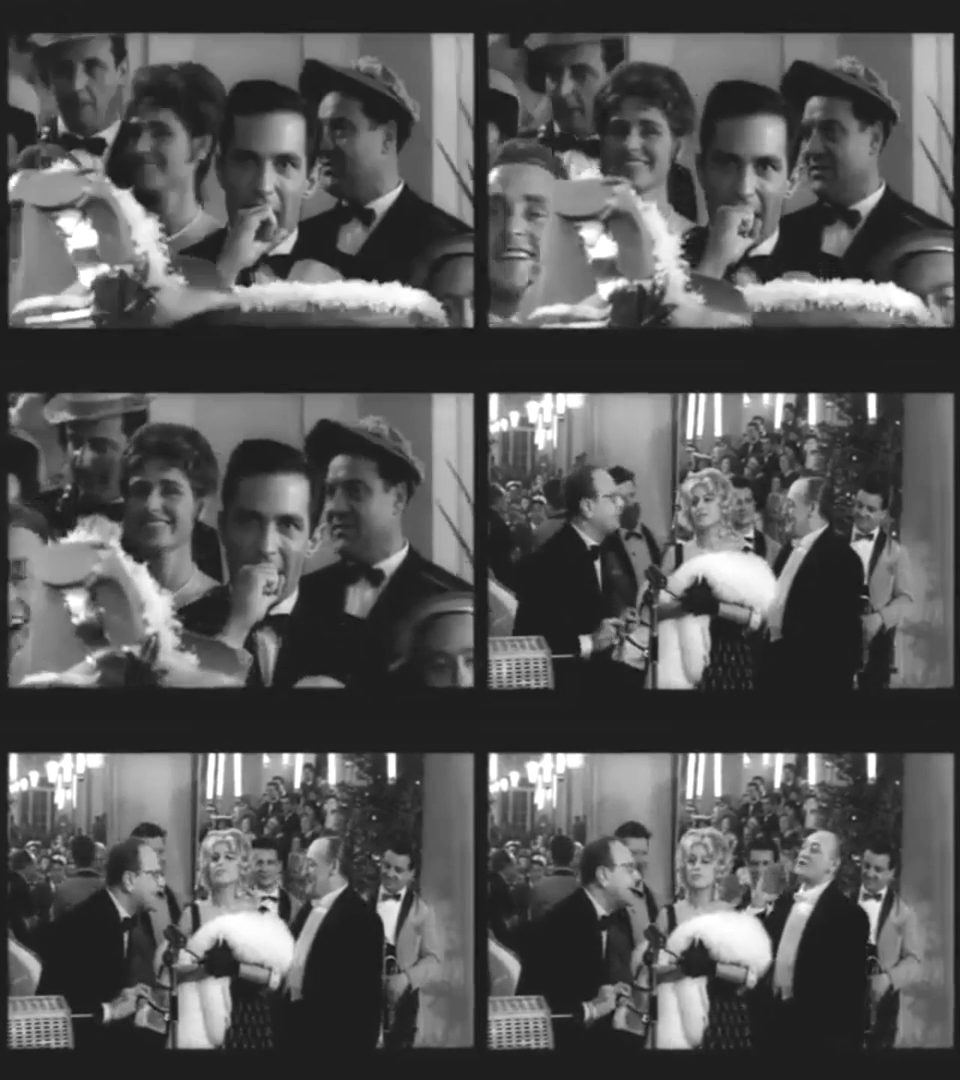
The gifs that you see below are tips for the Vertigo grammar exercise based on our Spring 2020 film, Risate di Gioia (with Anna Magnani, Totò and Ben Gazzara). The complete exercise – about Italian gestures – and the answer sheet have been published at the bottom of the final installment of Risate di Gioia.

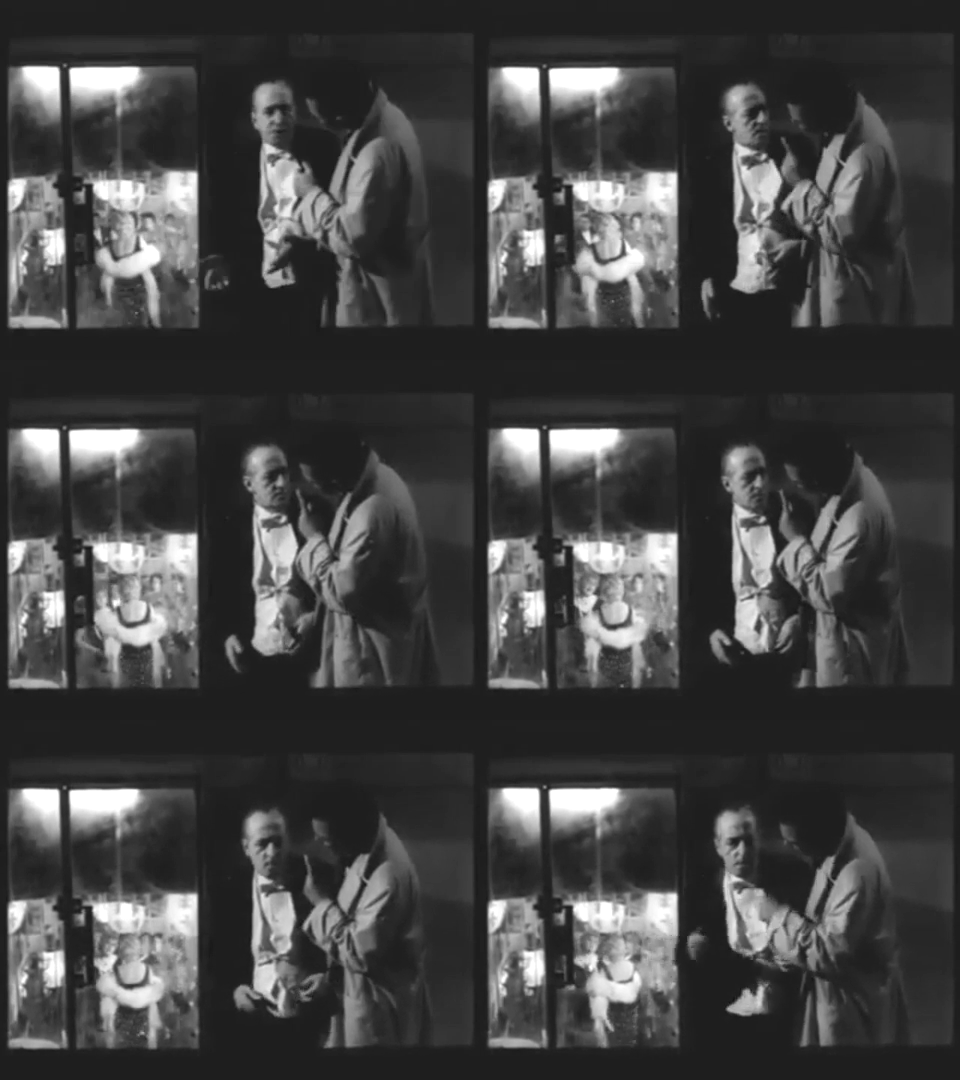
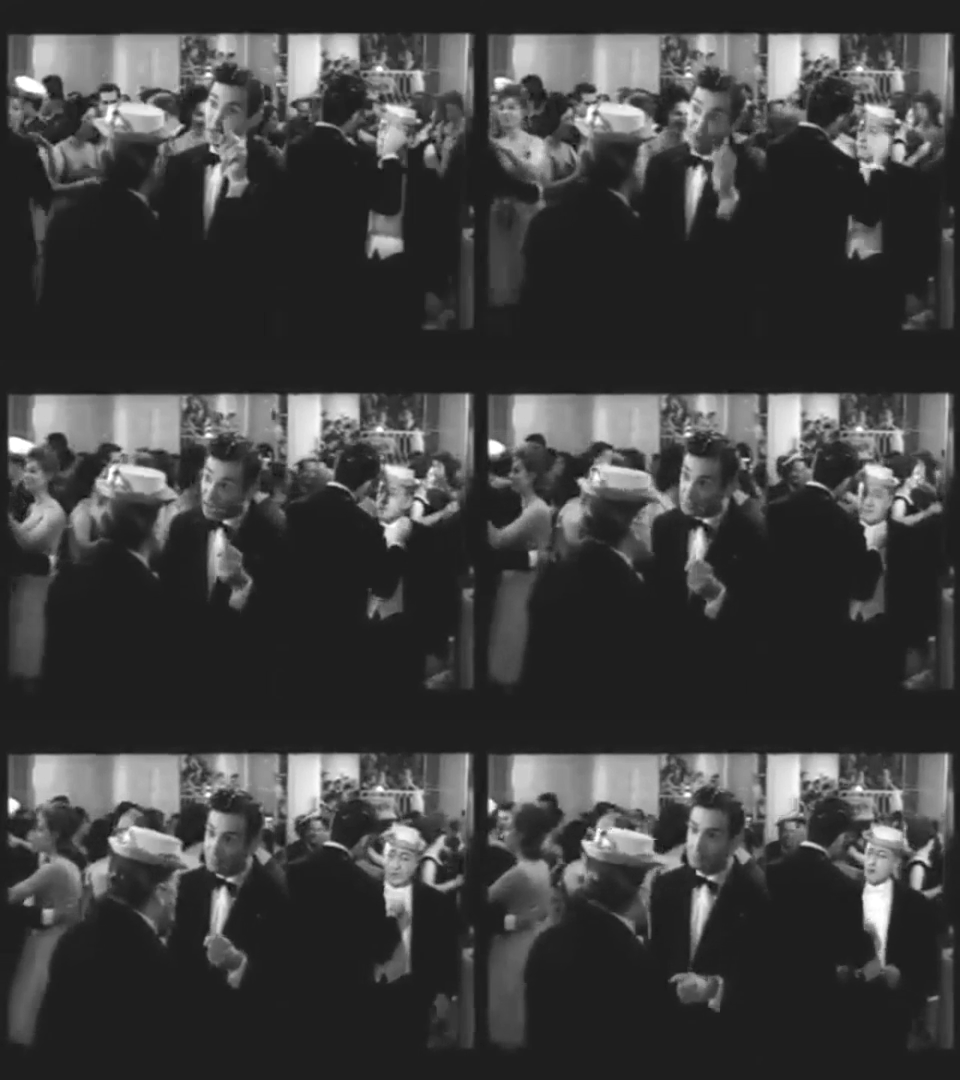
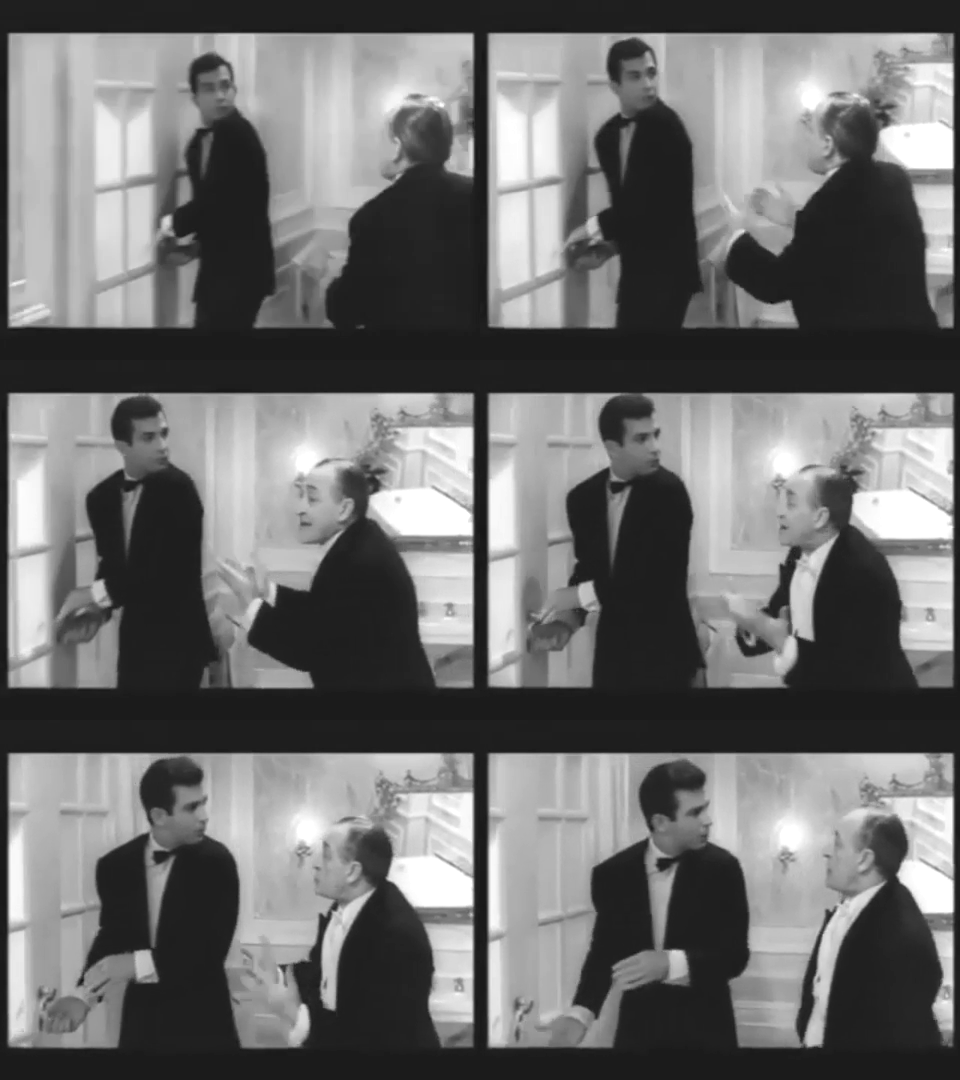
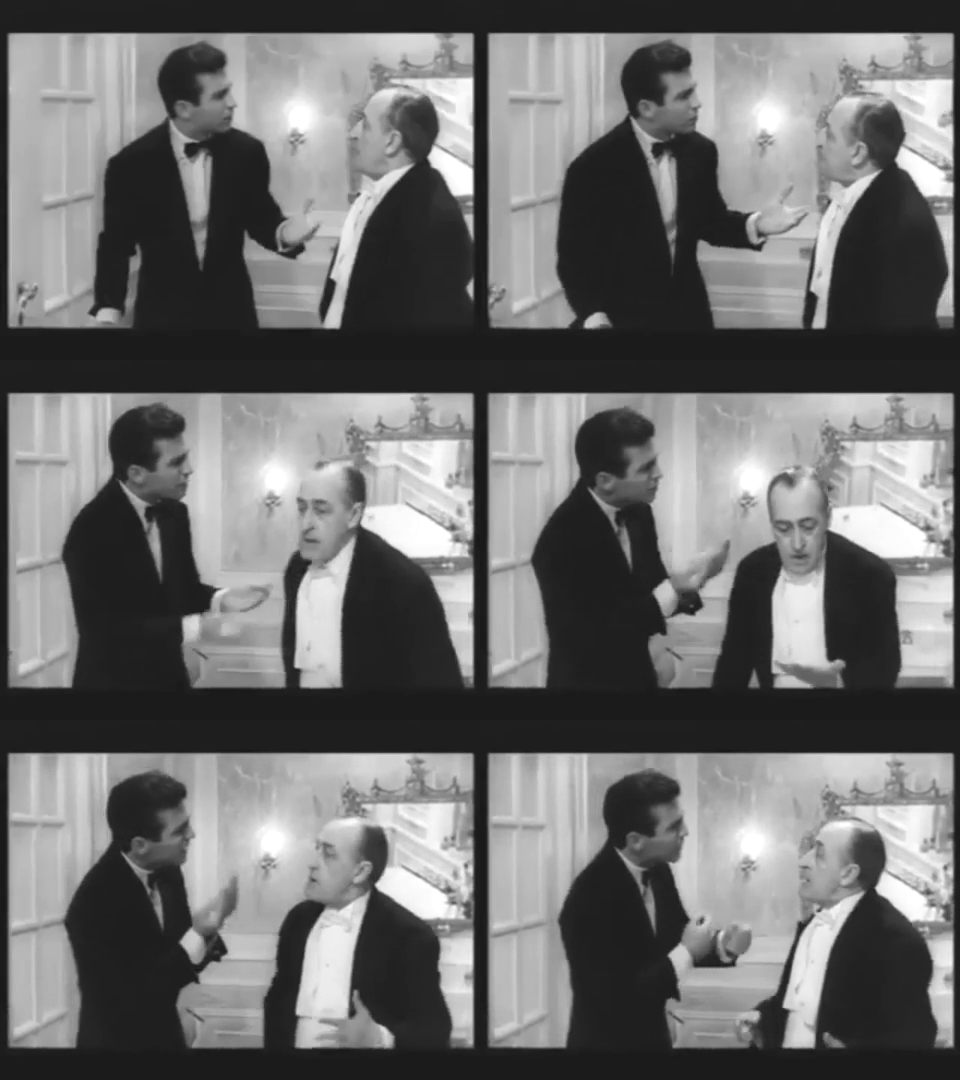
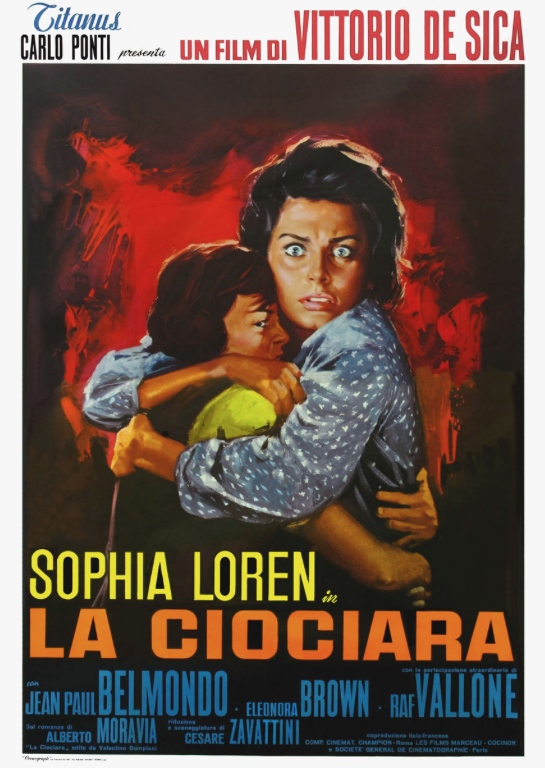
La ciociara / Two Women (Vittorio De Sica, 1960)
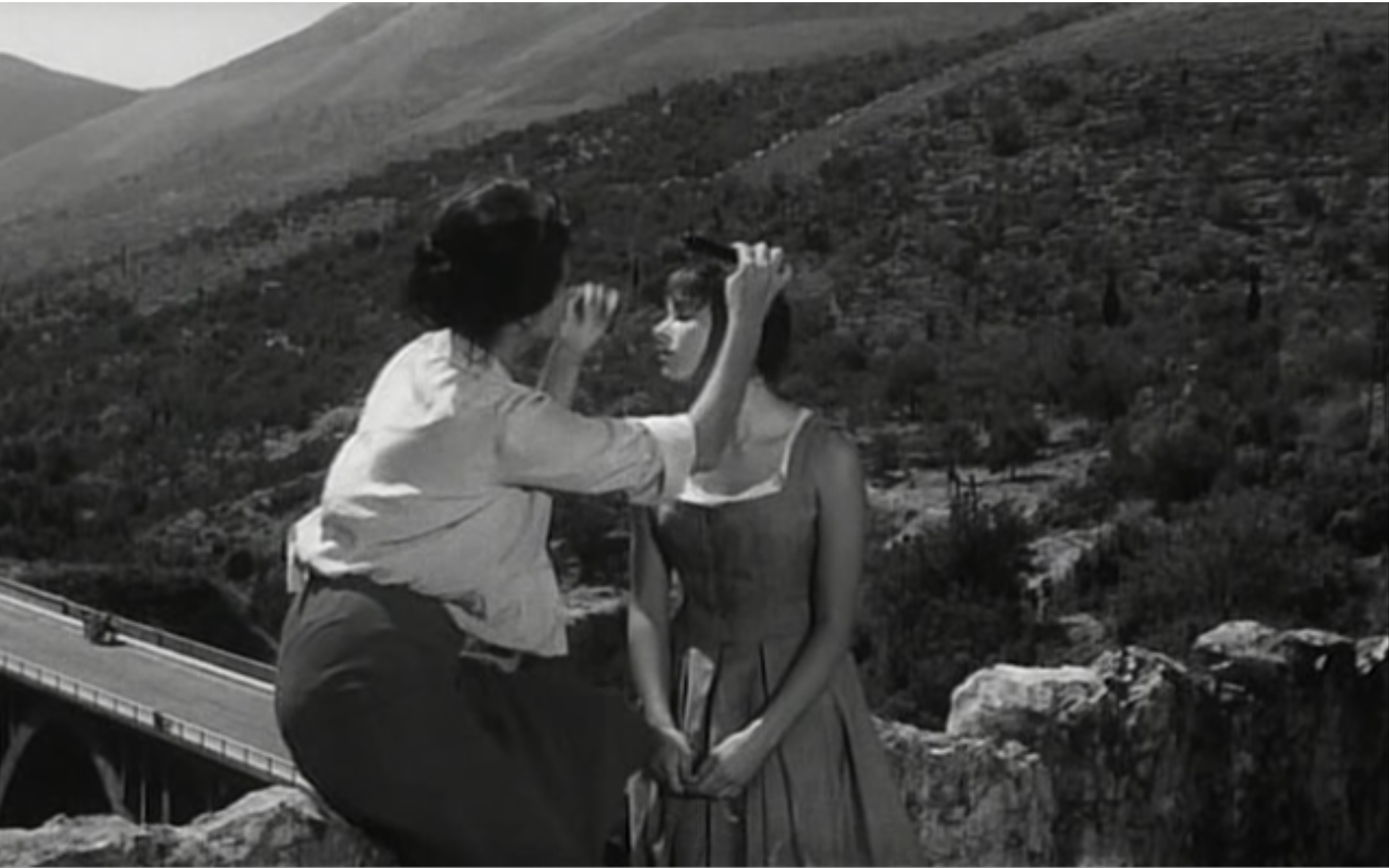
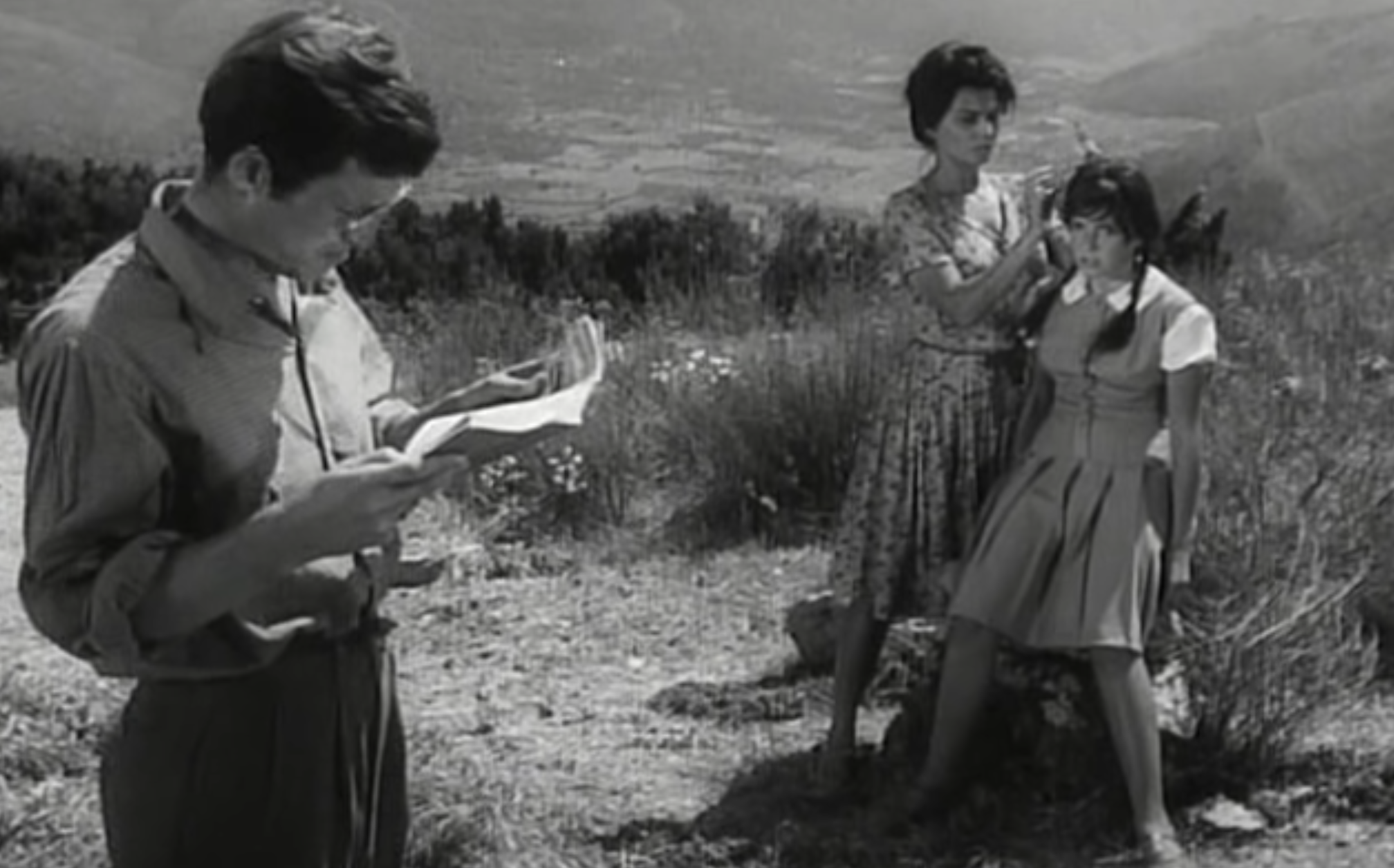
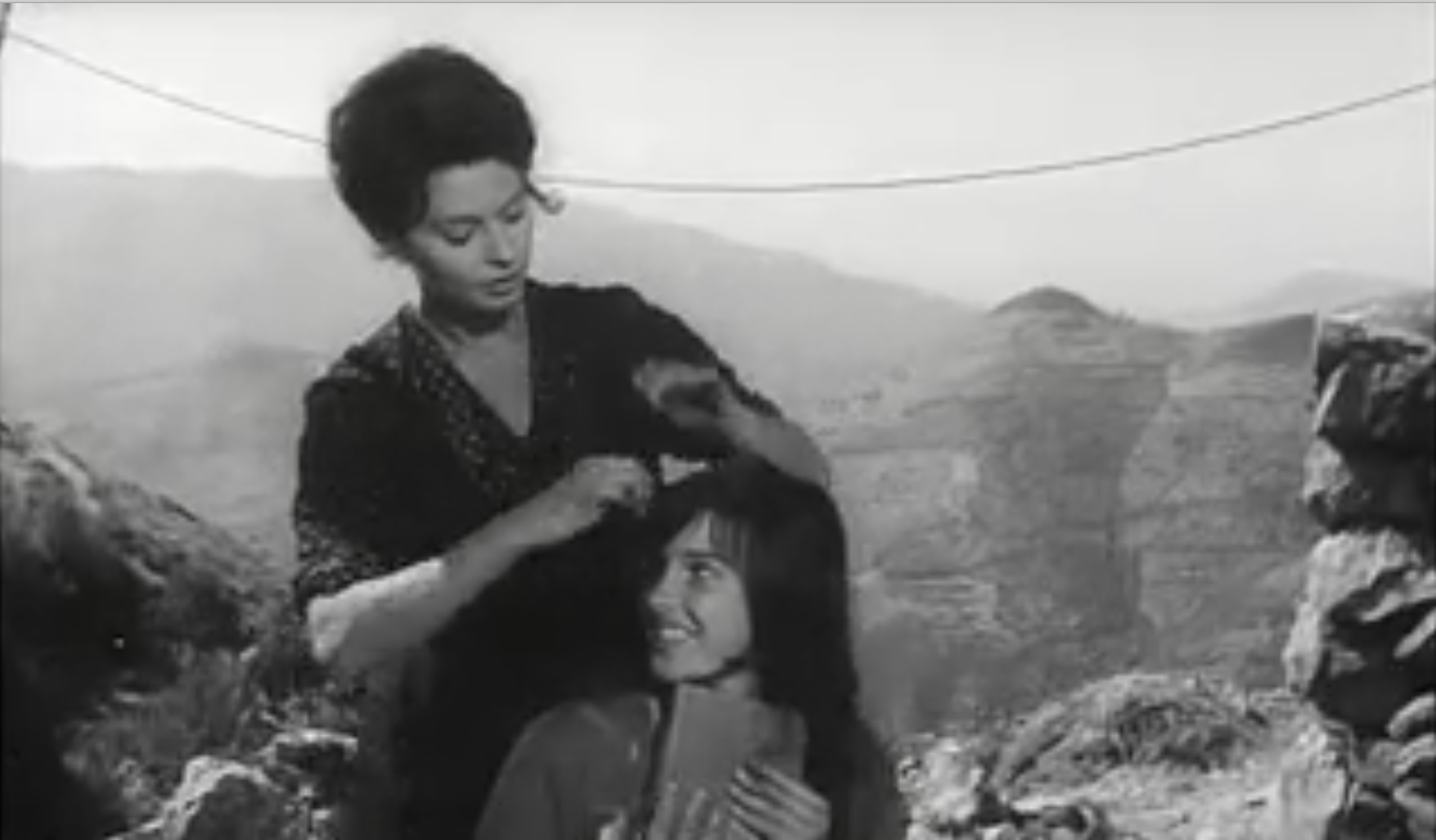
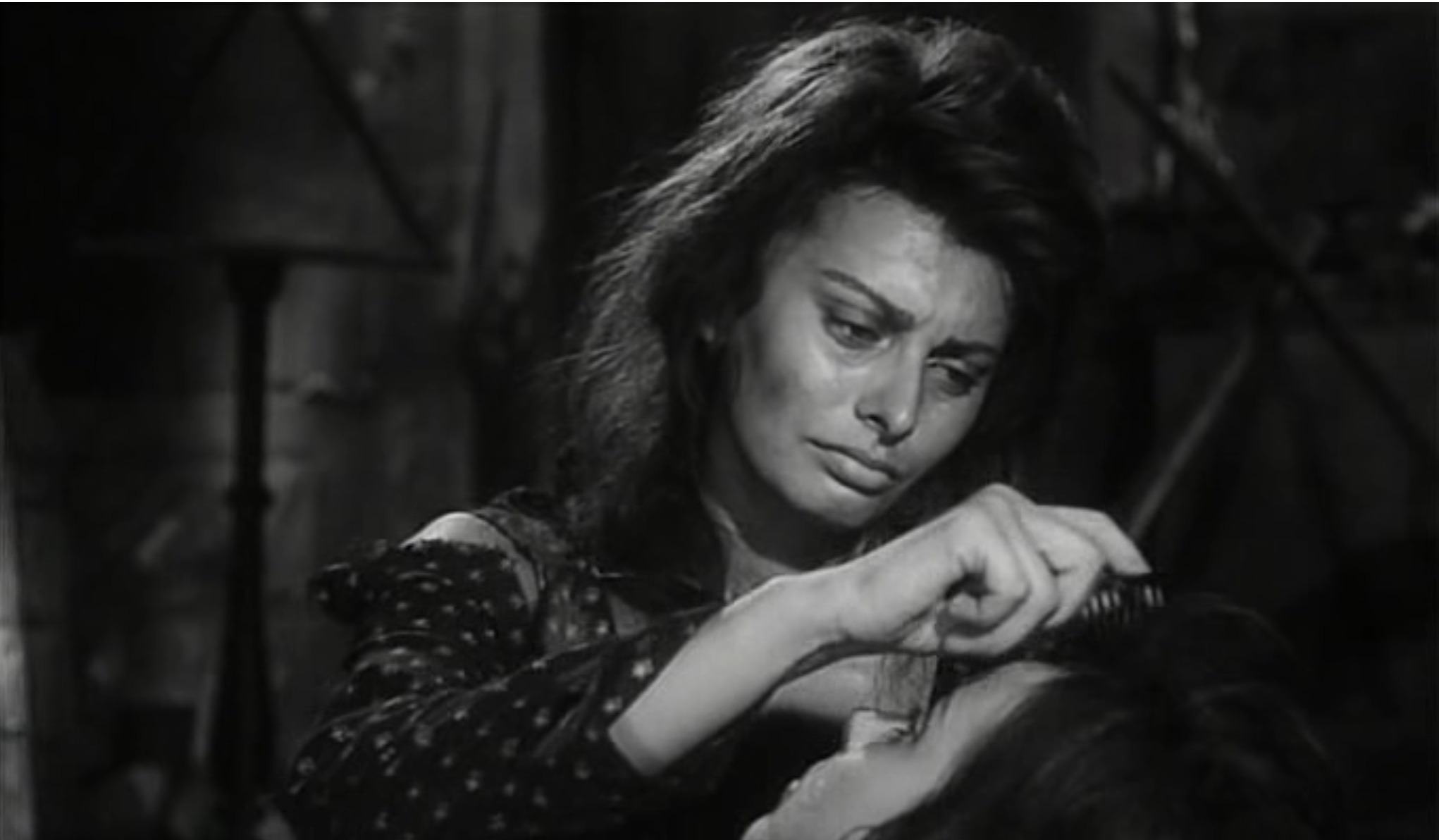
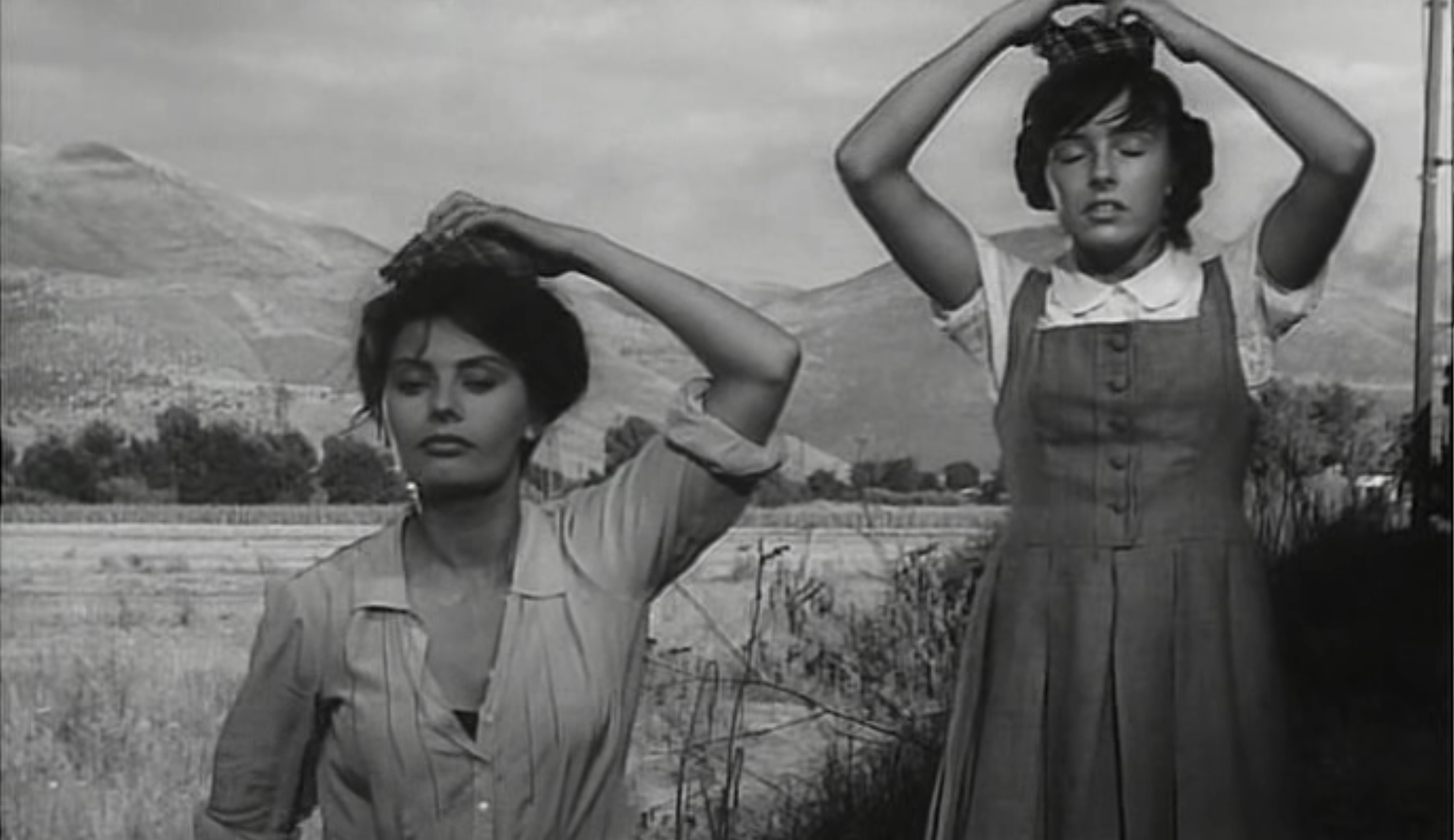
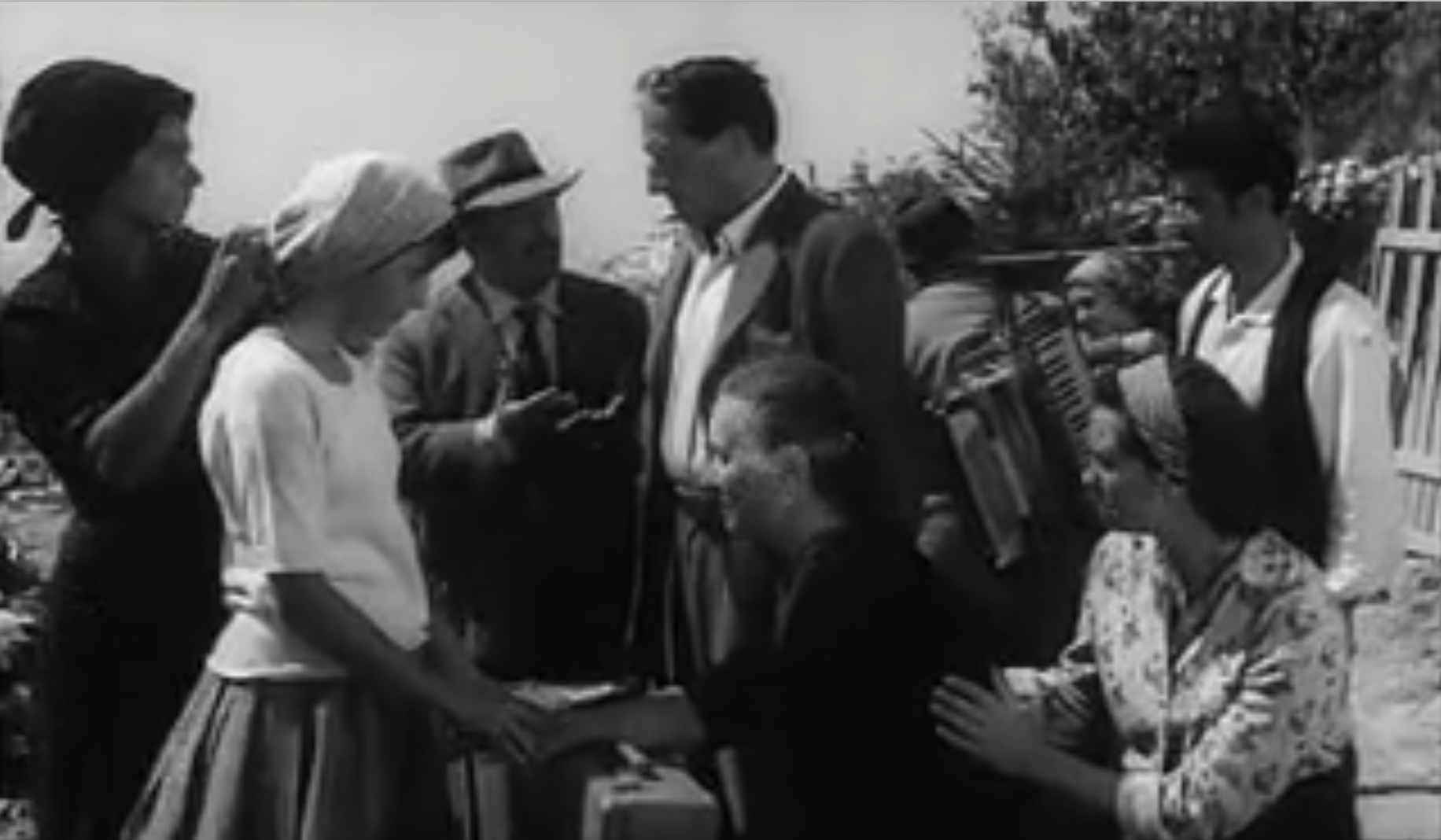
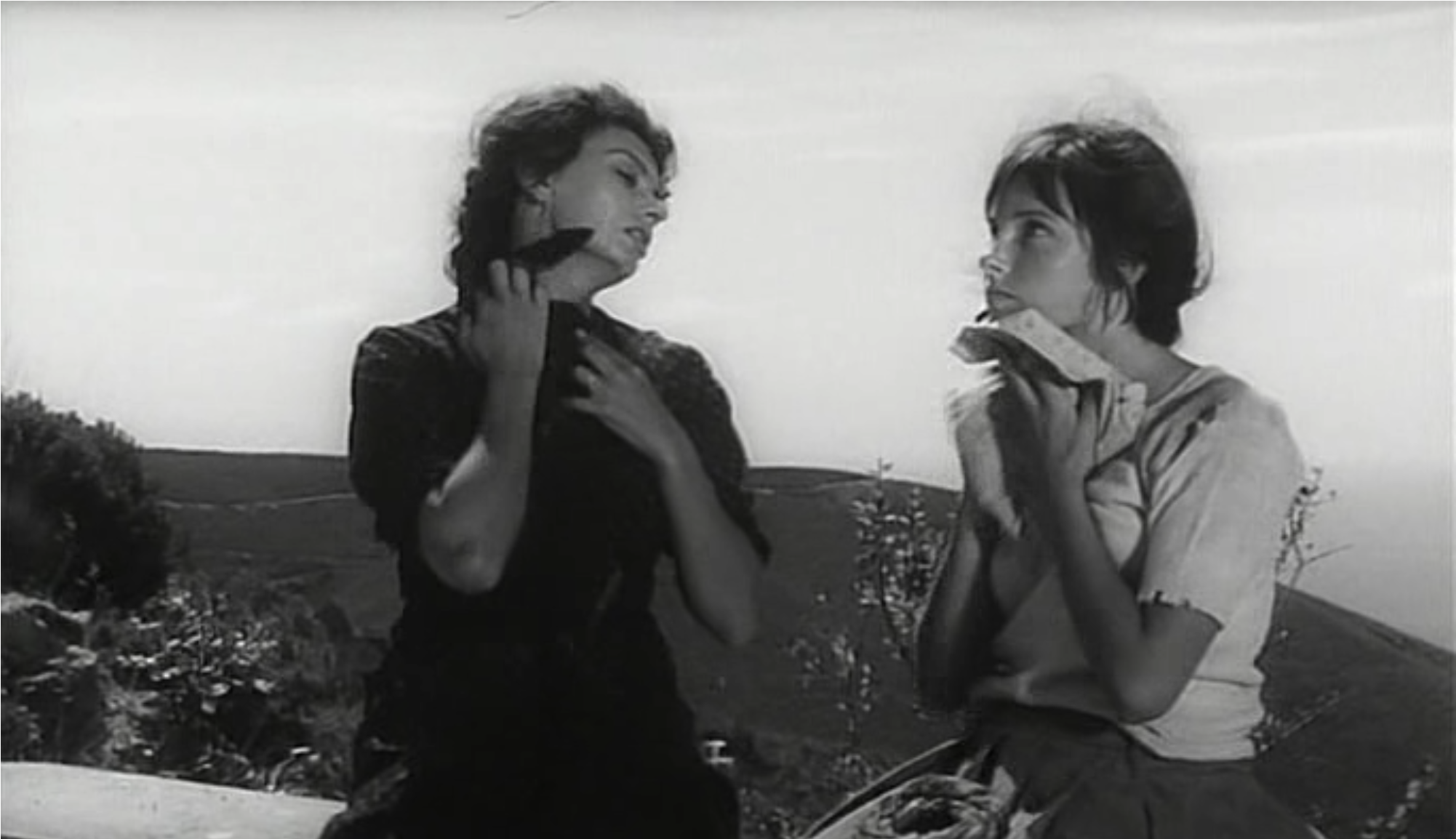
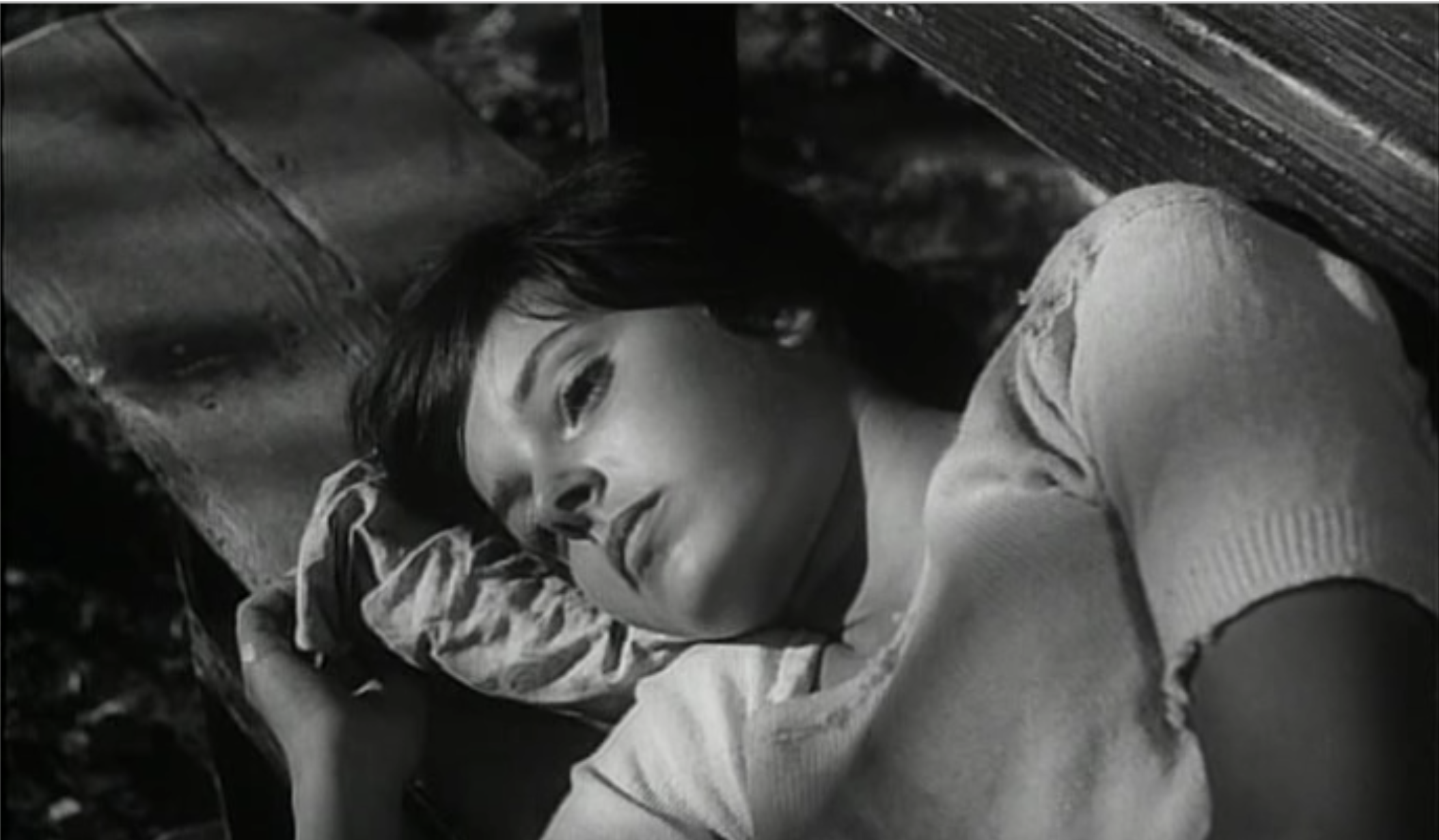
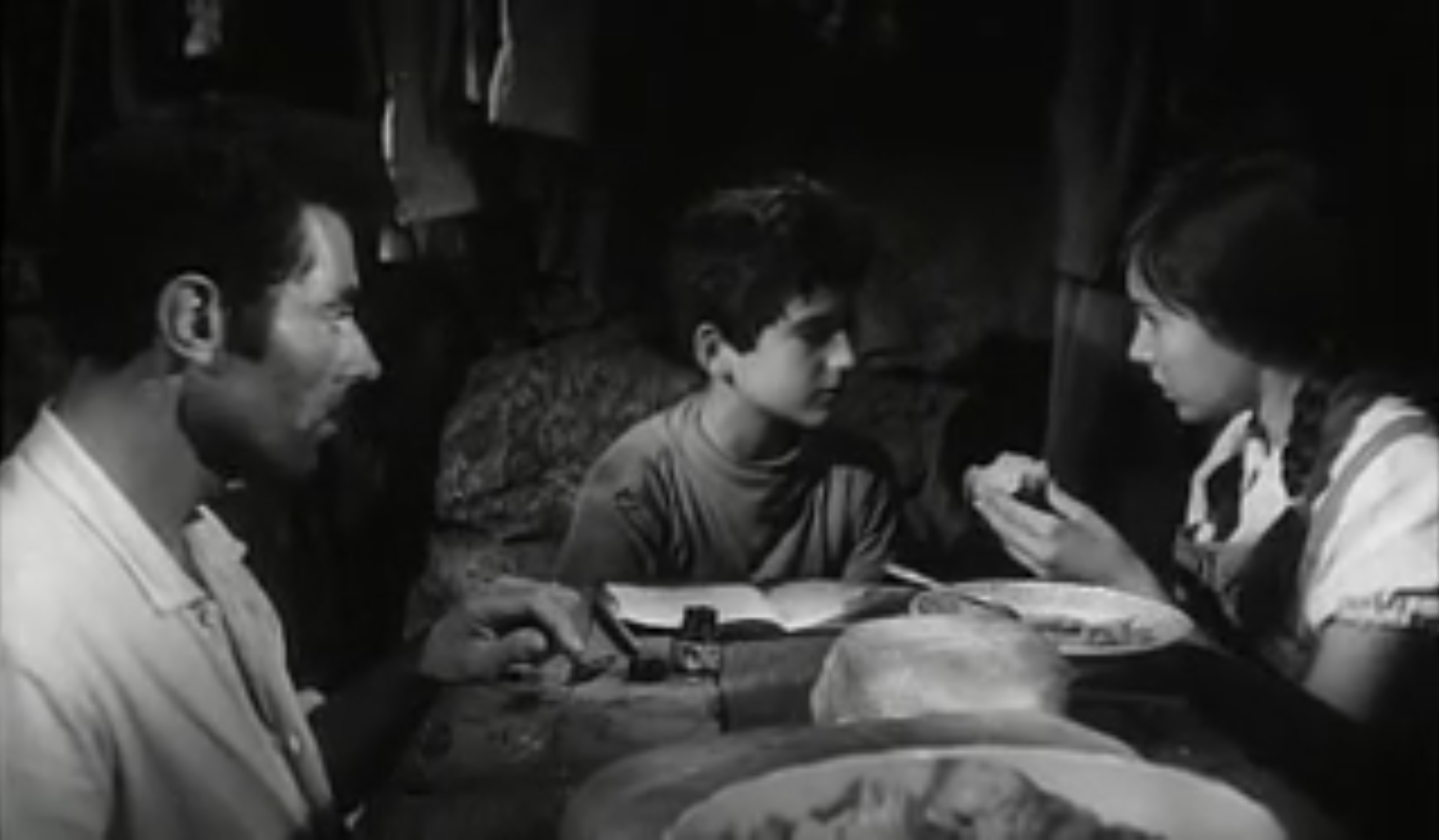
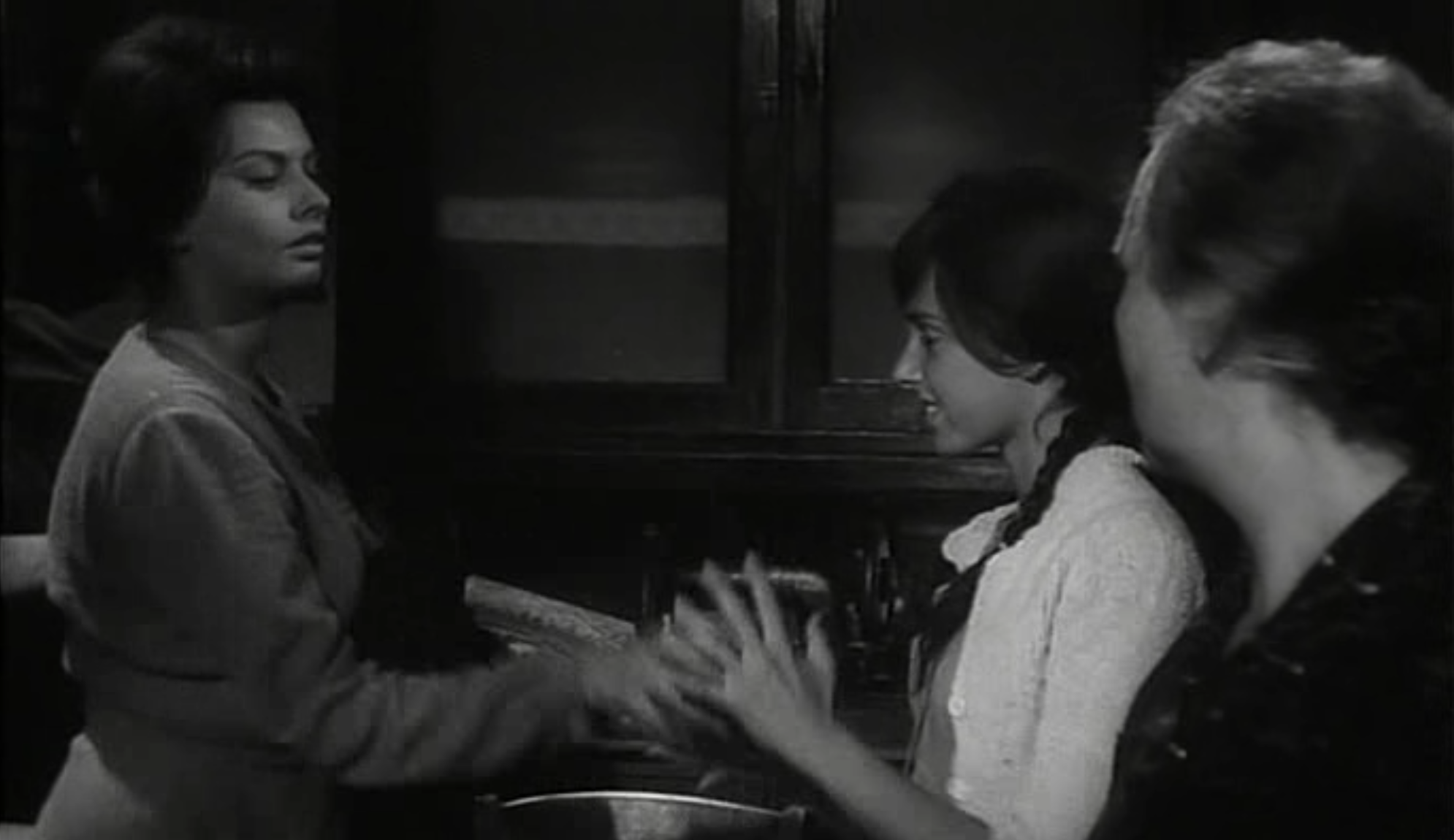
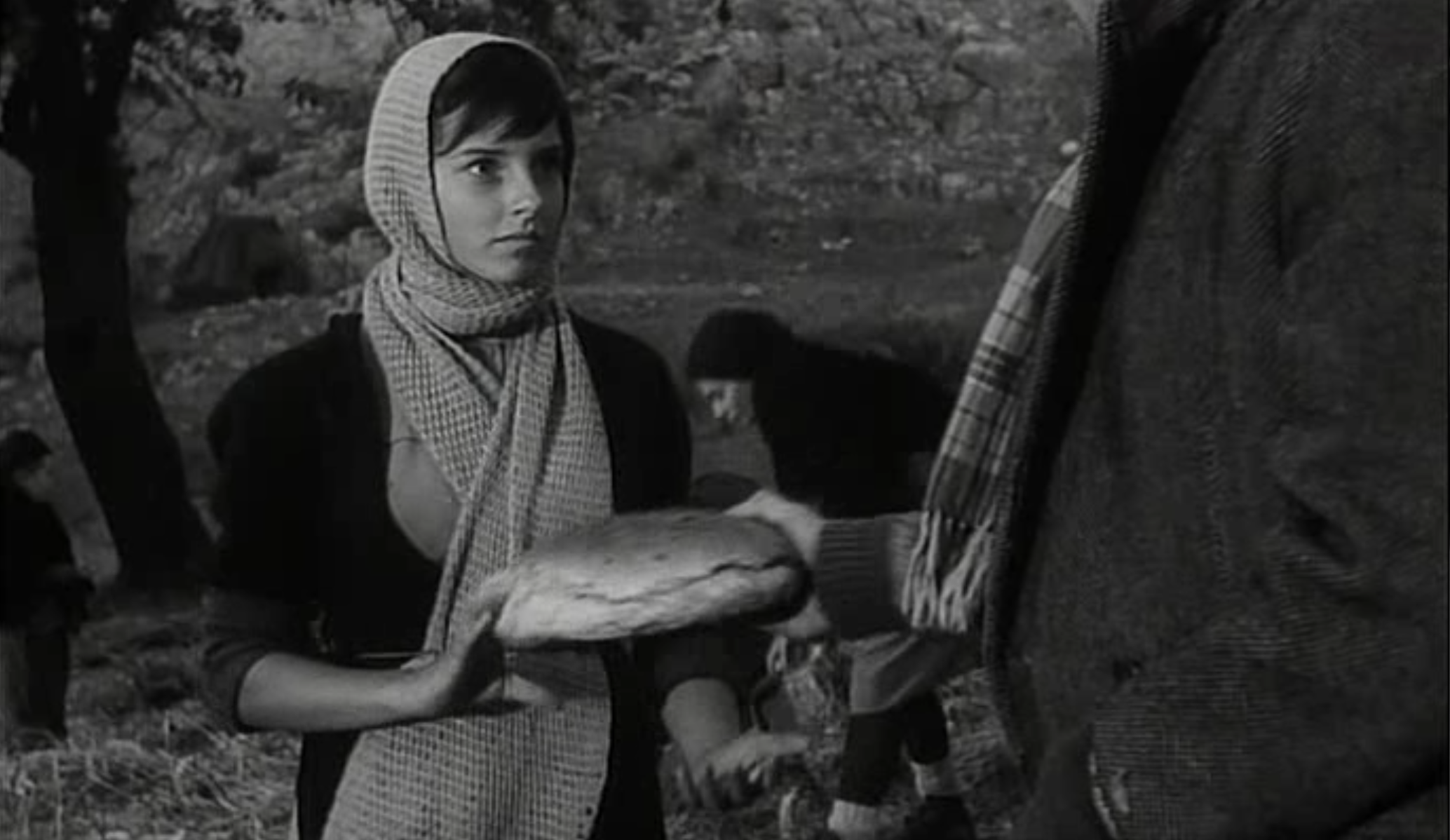
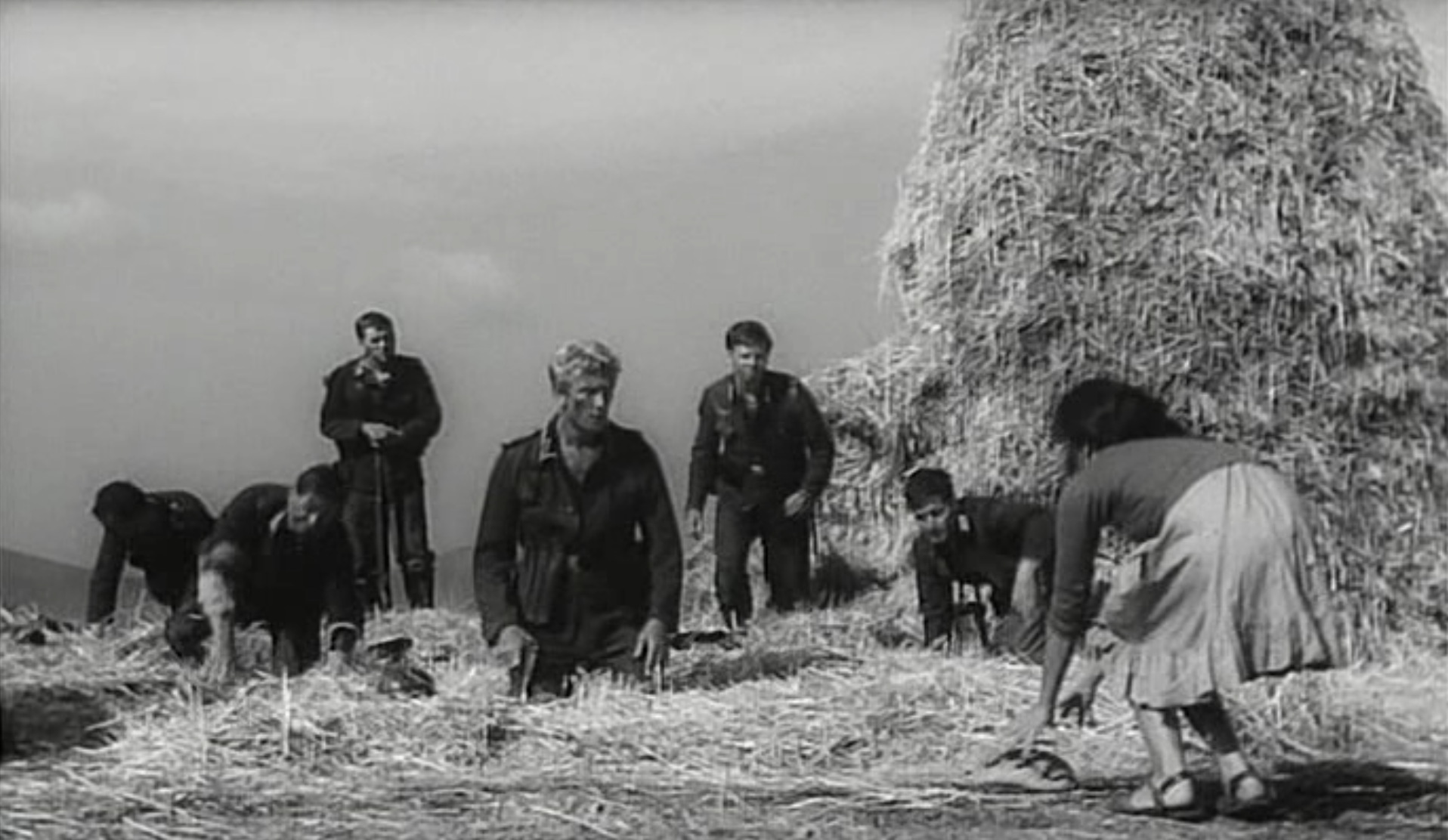
I was happy to talk about La ciociara with James Hancock, host of the Wrong Reel podcast, in July 2018. Listen to our discussion about the use of motifs in the film – hair-combing, the scarves, the bread – about the Marocchinate and more. You can read the cineracconto for La ciociara here.
Li conoscevo bene Guest Article about our blog
on the Italian language learning site My Italian Circle
To see some interesting notes from our past cineracconti and to learn how the blog is produced, click here for our Guest Post >> “Love Classic Italian Cinema? Learn Italian with this Blog” in the wonderful site My Italian Circle.
Anna was kind enough to mention our blog in My Italian Circle’s recent listening practice video “Andiamo al cinema! Classic Italian Movies.”
Here’s some info about My Italian Circle from the producers:
“We are Anna and Diana, we are Italian and we have been working with languages all our lives. Our goal is to provide accurate, authentic, and engaging content to help you learn Italian, understand Italy and Italians, and explore Italian culture and lifestyle. We explain Italian grammar in English and create listening, speaking, and vocabulary videos from beginner to advanced, textbooks, and other learning materials that are especially designed for English speakers.”
Sito Web: https://www.myitaliancircle.com
Canale YouTube: https://youtube.com/myitaliancircle
Li conoscevo bene Guest Article about Italian cinema terms on the Italian language learning site Daily Italian Words
See our latest article “Inquadratura, Taglio, Panoramica: Italian Moviemaking Terms Applied to Post-War Films” for a list of cinematic terms in Italian and English, with images from films and descriptions of their function in the context of the film. Published on the Daily Italian Words site!
Some examples from the article follow.

Una panoramica – a pan
The camera makes a horizontal movement from a fixed spot to reveal new information, follow action, or establish the setting.
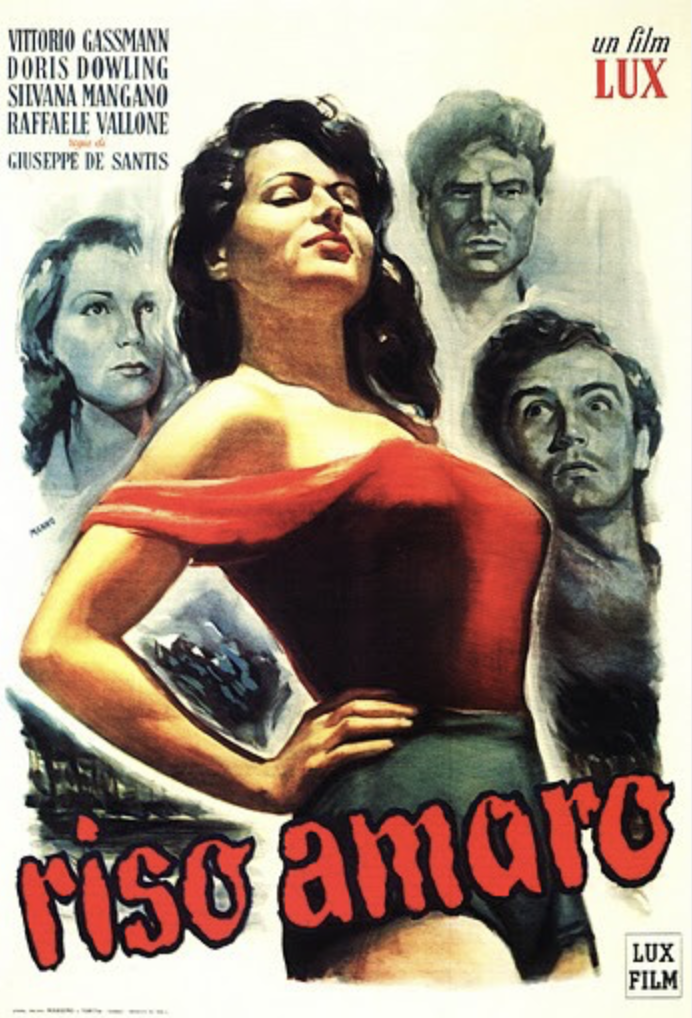
Francesca and Granata, thieves on the run, lean out of a train door. The camera pans along the car, showing a succession of quick scenes: a man lathering his face; a man who sniffs a flower until his companion slaps his hand; a man in an undershirt brushing his teeth; a woman combing her hair with a disdainful expression. Everyone is leaning out of the windows, looking at something. But what? At last, the pan answers the question. (Riso amaro / Bitter Rice – Giuseppe De Santis, 1949)
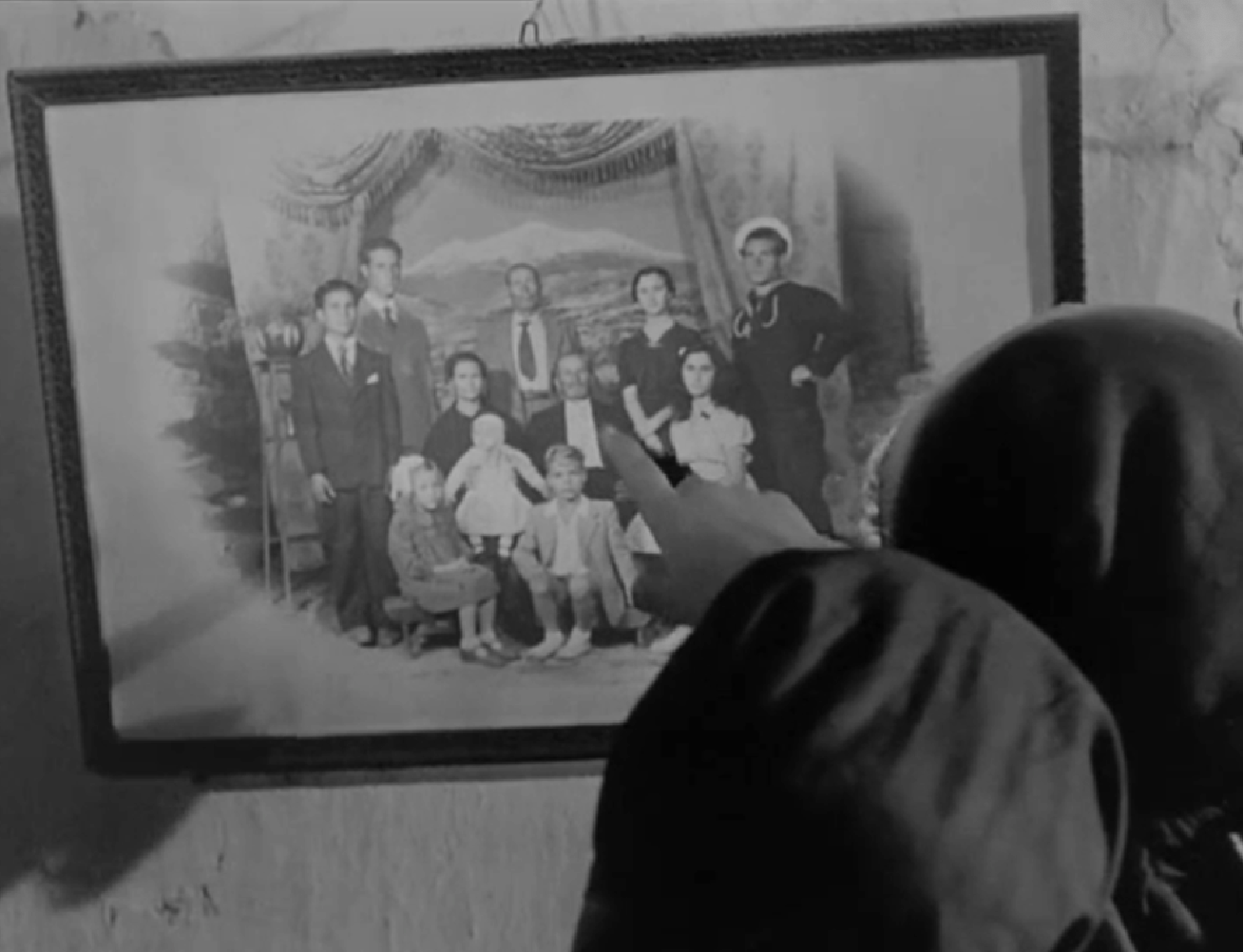
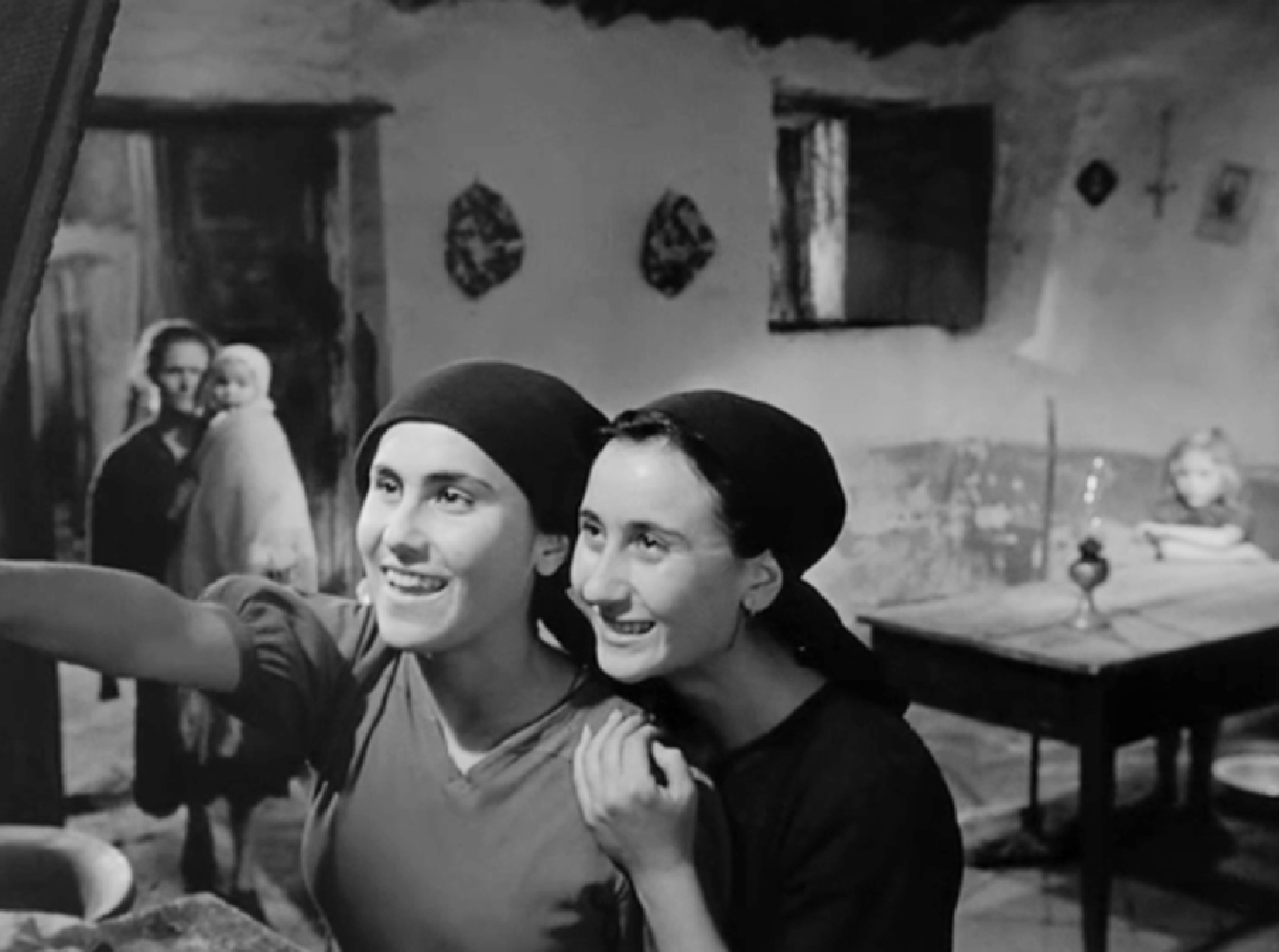
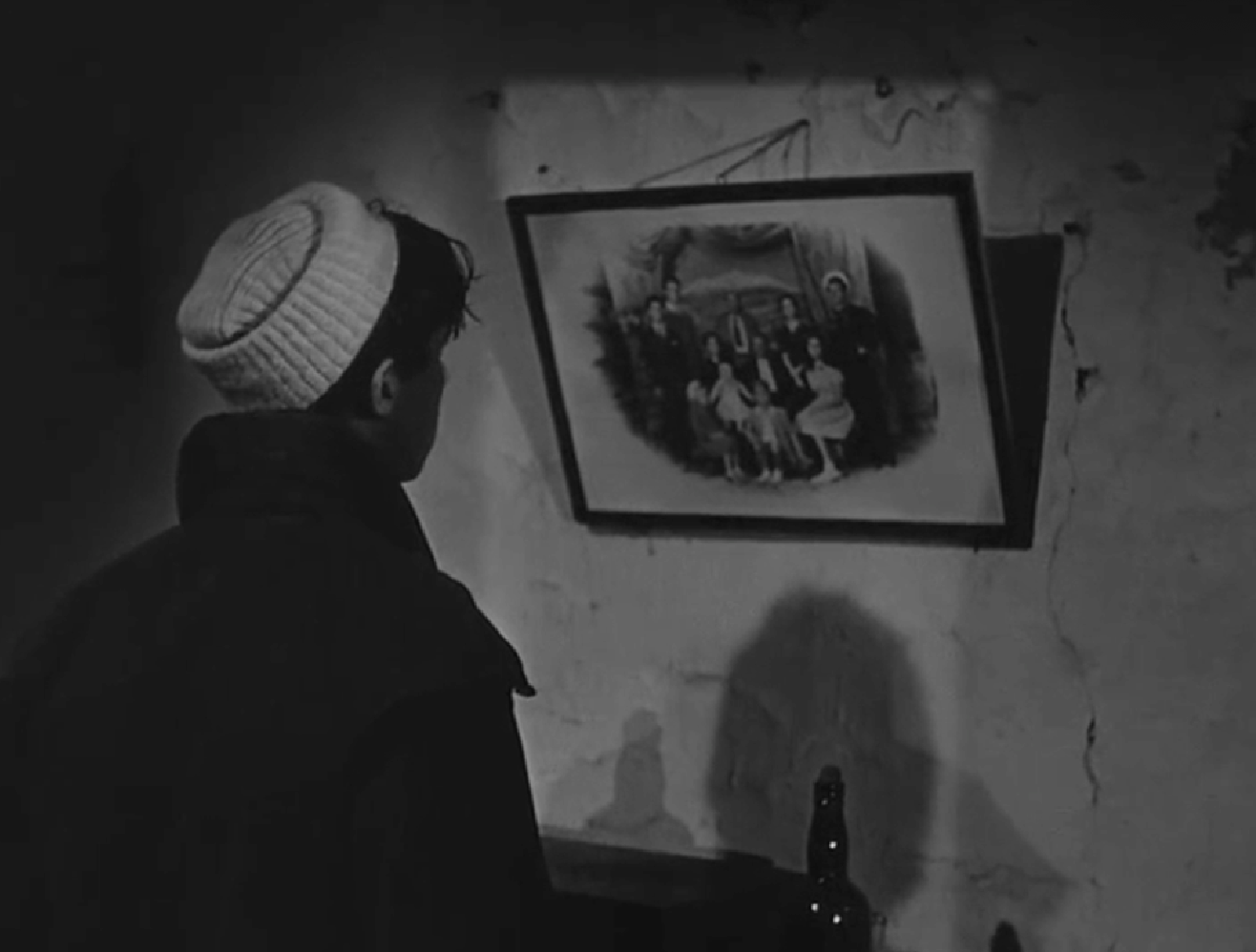
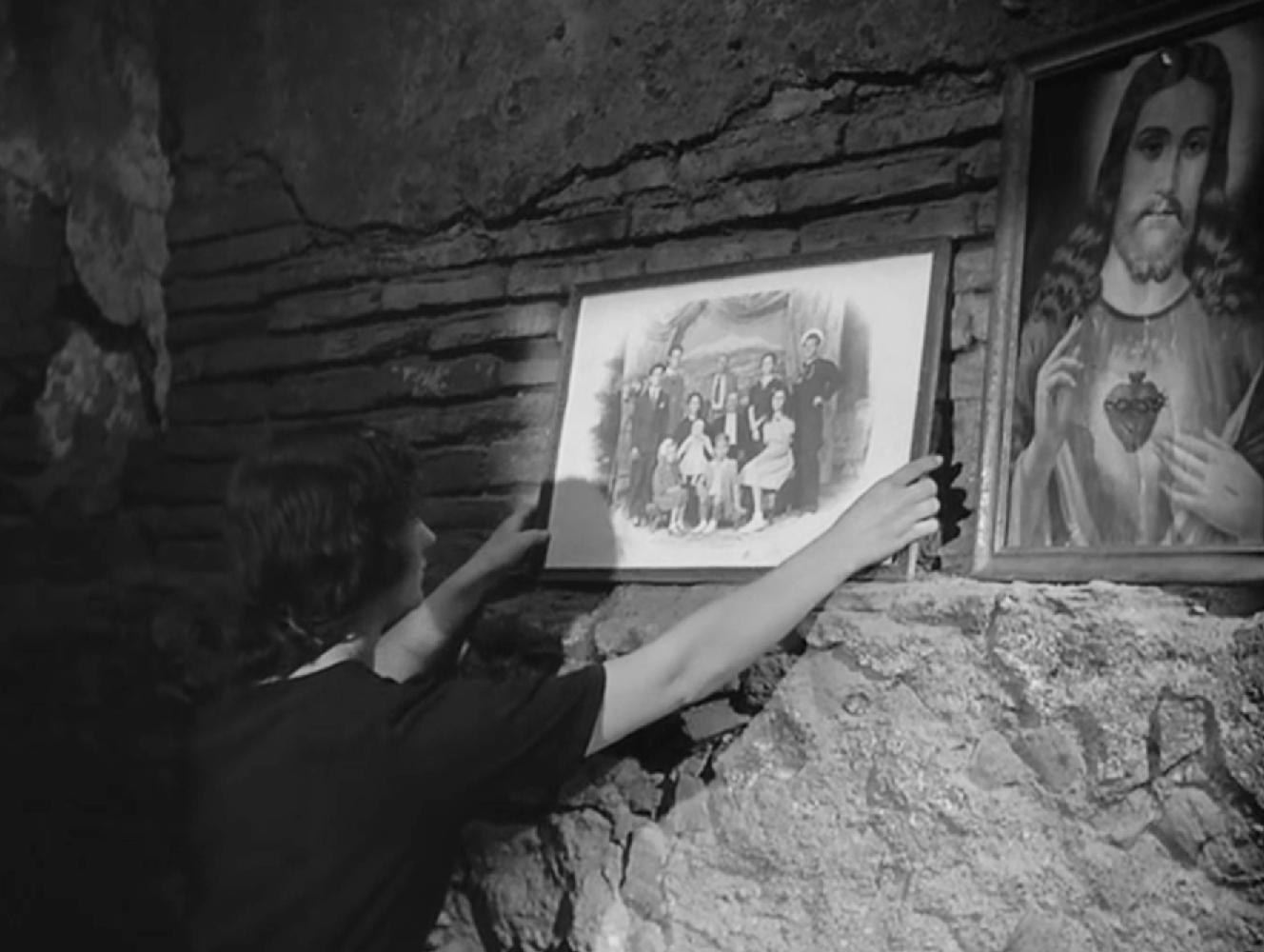
Un oggetto di scena – a prop
An item used in setting the scene. It may also hold specific meaning, often symbolic, especially when actors focus their attention on it.
In La terra trema, a family portrait serves as a motif to show the feelings of Italians for their loved ones. Mara and Lucia, the daughters, gaze at it and talk about how much they miss the fishermen in their family – their grandfather, their brothers, and their father, all lost at sea. Later, Cola, one of the sons, apologizes to the men in the portrait because he is leaving the island to search for a better life. Finally, the camera draws attention to the portrait when the family is forced to move. Visconti used the same motif in Ossessione and in Rocco e i suoi fratelli. (La Terra trema / The Earth Trembles – Luchino Visconti, 1948)
_______________
Here’s some info about Daily Italian Words from the producers:
Daily Italian Words was created by Mat and Heather to help you learn the beautiful Italian language! Our aim is to share a series of Italian words with you every week to help you increase your vocabulary. Each word is accompanied by an explanation, a handful of sample phrases using the word in context, and related words that might come in handy. We also share a weekly phrase, in-depth blog posts related to the language, and more.
Li conoscevo bene Guest Articles about motifs and themes in Italian films, on the Italian language learning site My Italian Circle
Post-war Italian films – like the ones on our blog – are full of motifs that give the viewer insight into Italian culture. See our article “Lemons, Water Fountains, and Washing Lines: Motifs in Post-War Italian Films” to learn to recognize the italianità when you see it and get a fuller appreciation of these wonderful films.
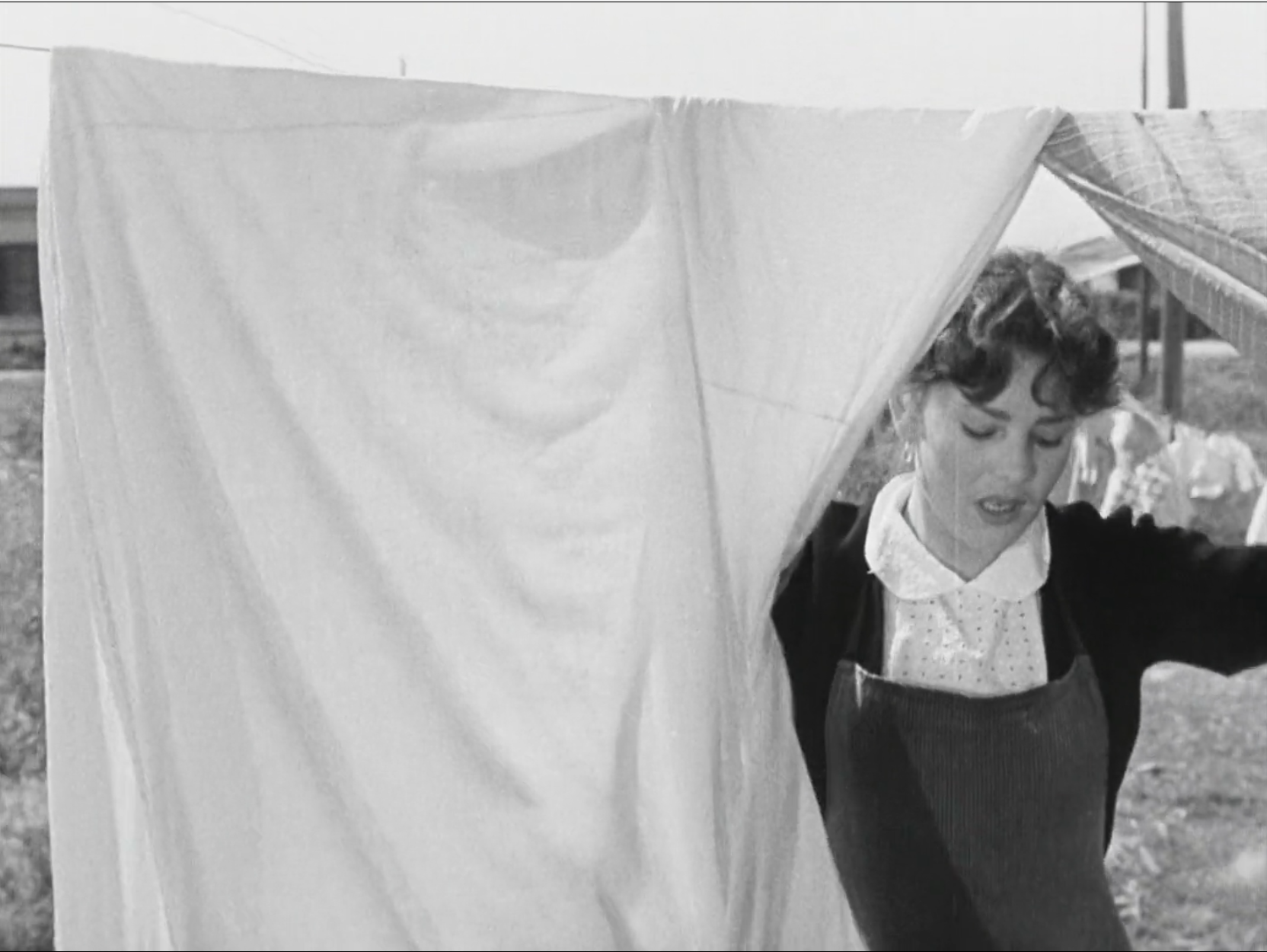

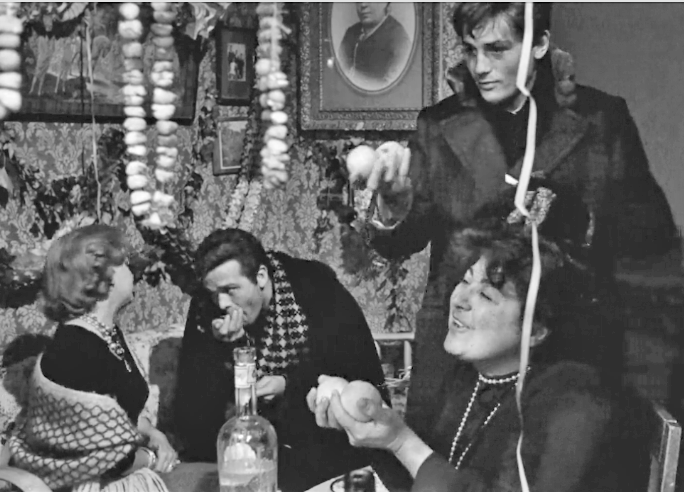
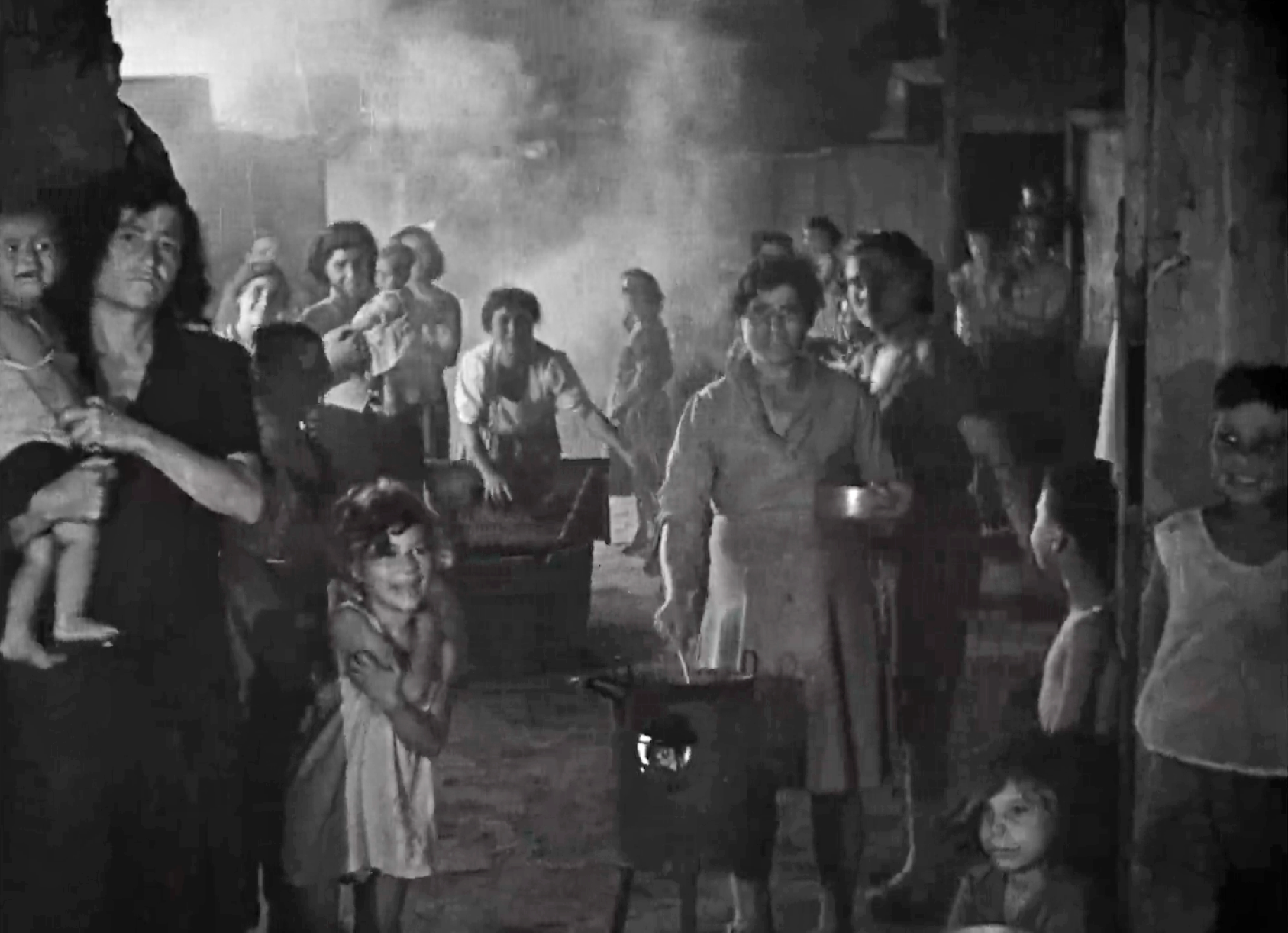

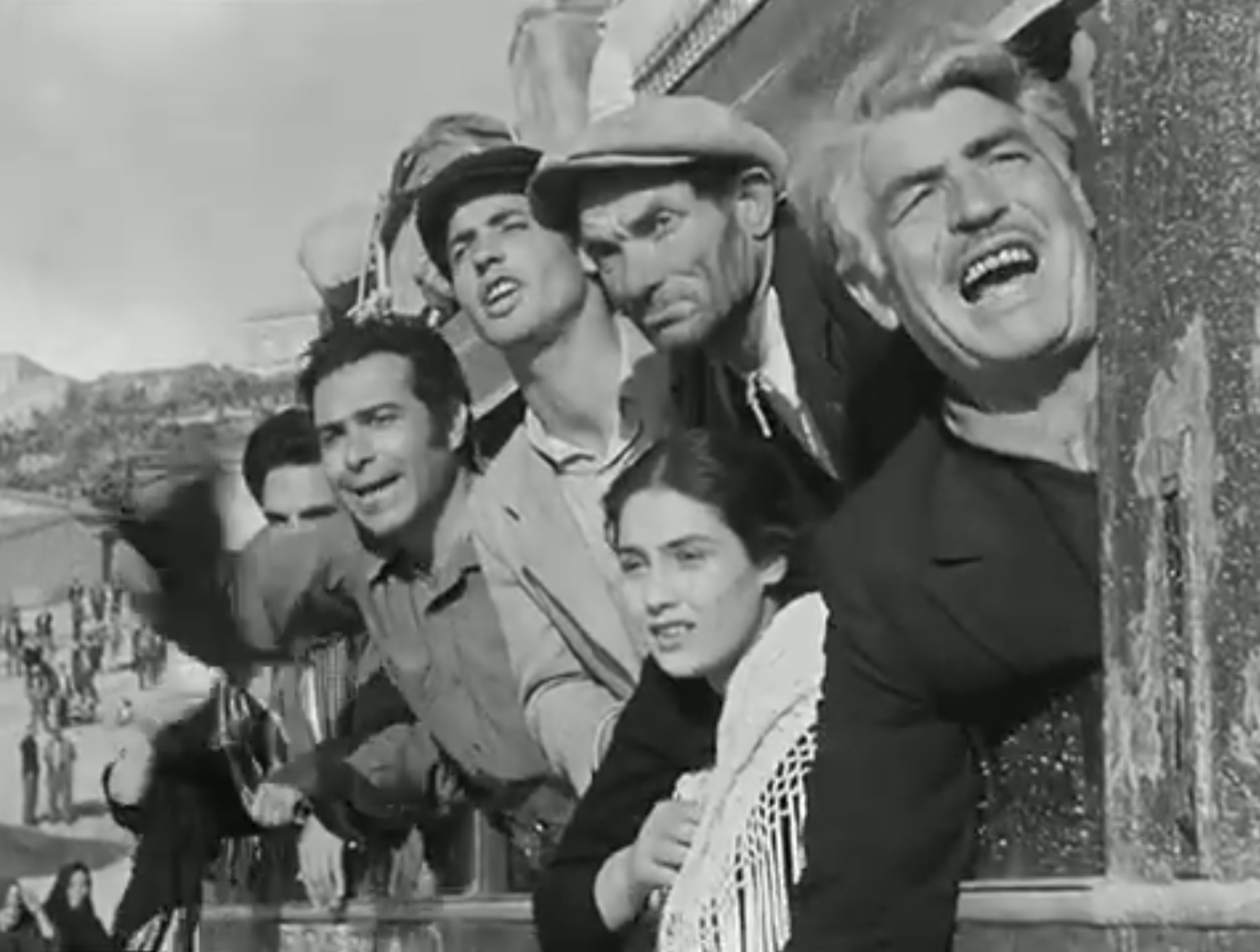
Above: some images illustrating the motifs discussed in the article from La strada (Federico Fellini, 1954); Ladri di biciclette / Bicycle Thieves (Vittorio De Sica, 1948); Rocco e i suoi fratelli / Rocco and his Brothers (Luchino Visconti, 1960)
Paisà / Paisan (Roberto Rossellini, 1946); Riso amaro / Bitter Rice (Giuseppe De Santis, 1949); Il cammino della speranza / The Path of Hope (Pietro Germi, 1950)
________________
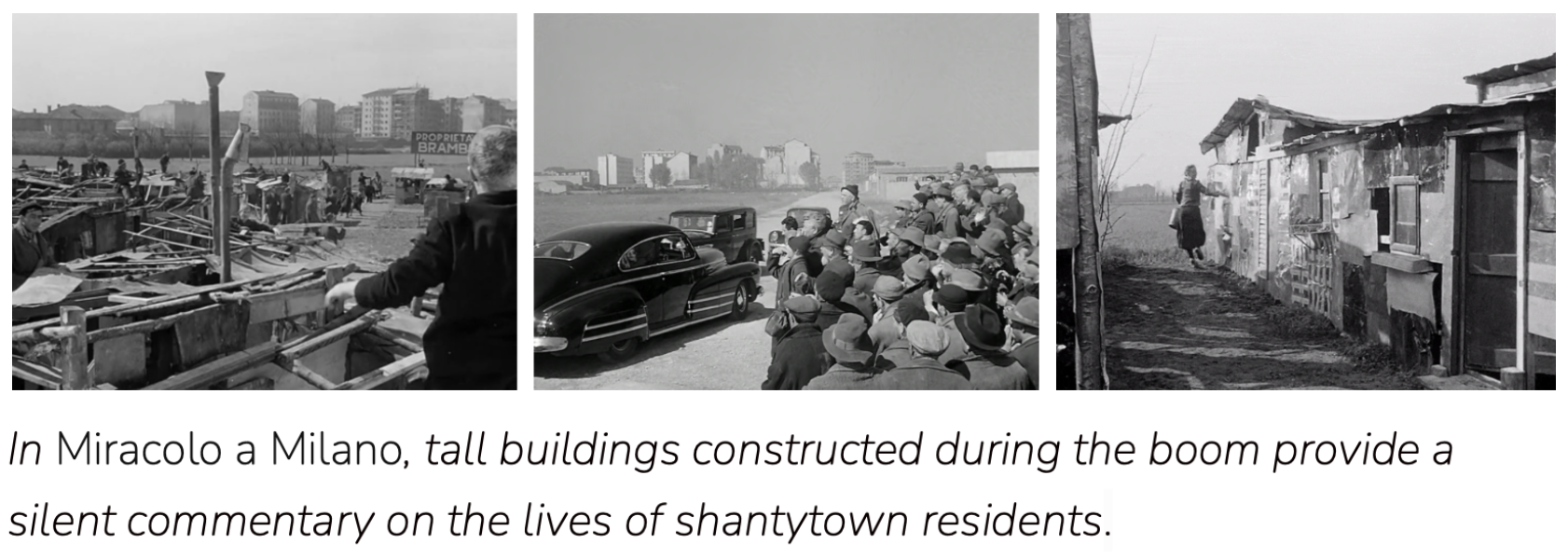
See our article “Understand Italian Movies Better!” on common themes in Italian movies from postwar through the 1970s. Four categories are explored: language differences; the dichotomy between North and South; emigration; and the post-war economic boom. Lots of images from great Italian films, complete Italian subtitles with English translation, and explanatory text.

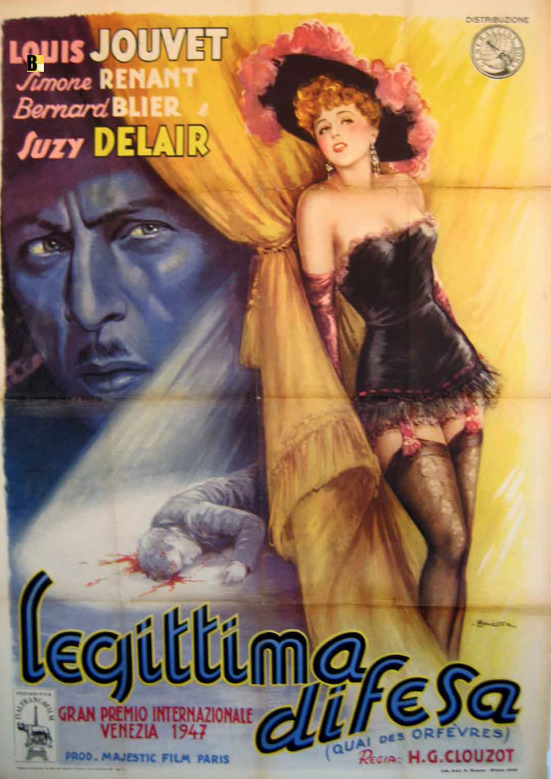
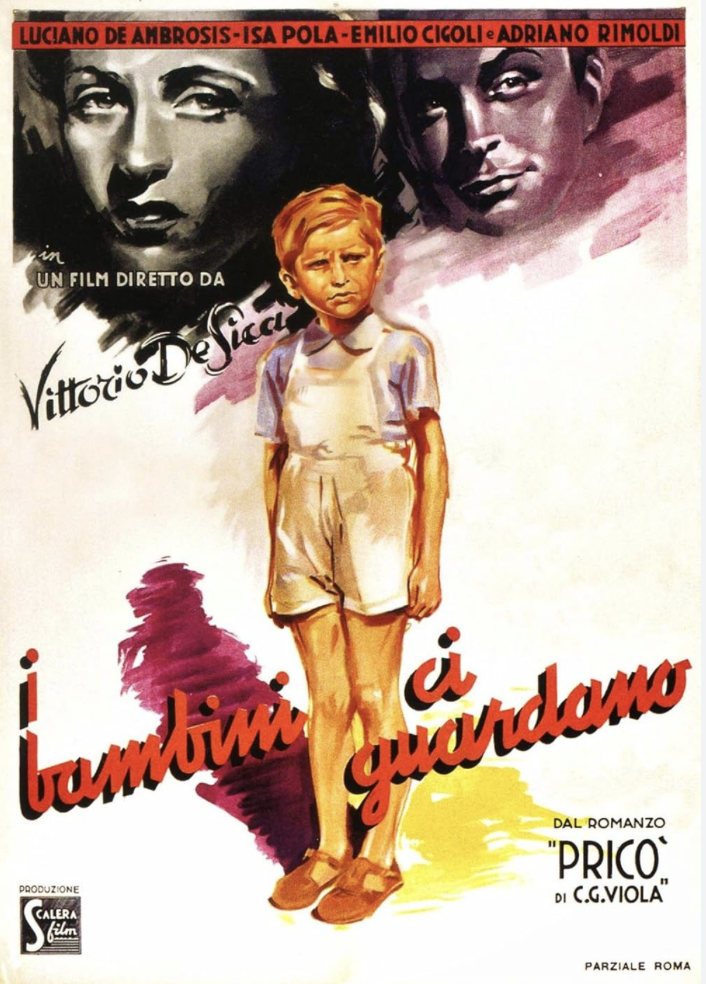
Le locandine italiane dei film di cui abbiamo parlato nel blog / Italian posters for movies we have covered on the blog